11 Best B2B Marketing Strategies


B2B marketing is about being useful, visible, and trusted all at the right moment. If your current B2B marketing strategy hasn’t been updated this year, this one’s for you.
B2B marketing has taken a turn.
AI Search is no longer a novelty. It’s now a part of how B2B buyers discover, compare, and evaluate vendors, signalling a dramatic shift in how buyers engage with information and make decisions.
But the fundamentals also haven’t disappeared. You’re still navigating long sales cycles and multiple stakeholders with varying needs that can delay conversions.
In this environment, visibility isn’t enough. You need to be genuinely helpful, strategically positioned, and seen as a trusted expert across every channel your buyers turn to.
That’s why we’ve put together 11 proven B2B marketing strategies, designed to help your business:
- Stand out in AI-powered search.
- Accelerate lead generation.
- Engage decision-makers across the funnel.
- Drive measurable revenue growth.
1. Rank In AI Search with AI Search Optimisation
You can’t afford to enter 2026 without AI Search Optimisation.
AI Search has reshaped how B2B buyers discover and evaluate vendors. Previously, your customers or clients would have turned to Google or Bing to find solutions to their problems or compare you against competitors. Now, they’re turning to AI platforms like ChatGPT, Perplexity, Gemini, Claude, Copilot, or Grok.
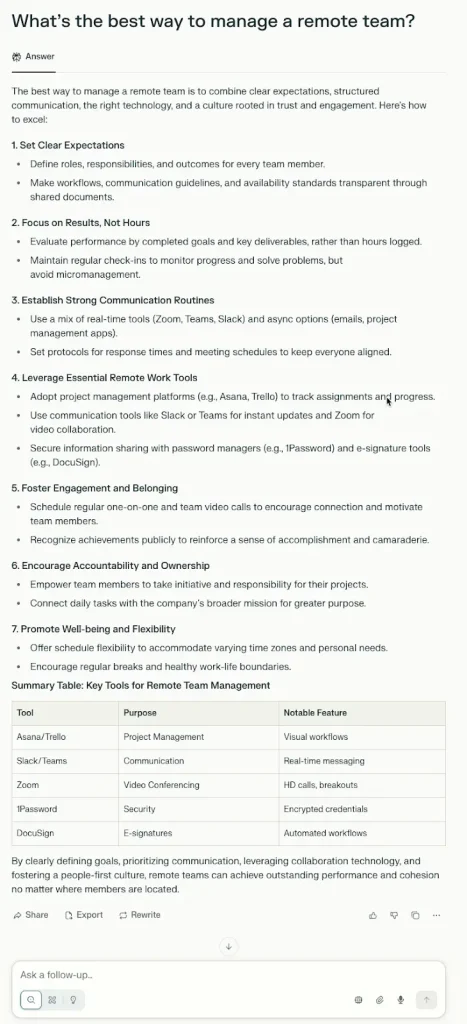
If they’re still in Google, they might be using AI Overviews or AI Mode instead of scrolling through lists of blue links.
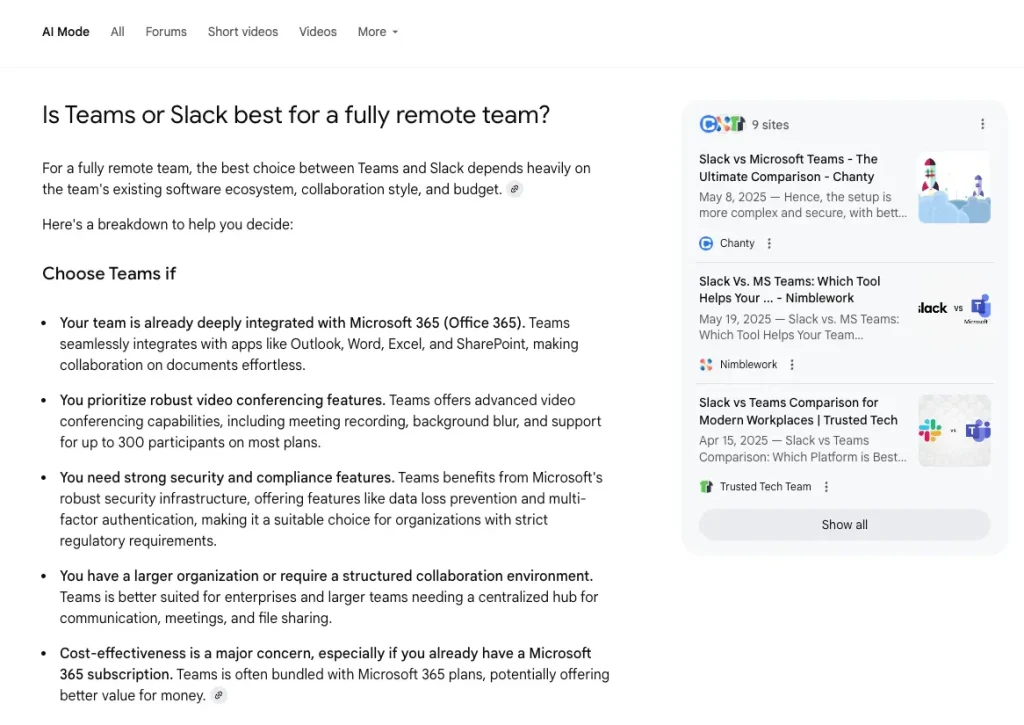
These AI tools don’t just list information. They summarise, recommend, and decide which brands are worth mentioning in response to user queries. If your content isn’t being cited, recommended, or referenced in these summaries, your brand is effectively invisible, especially at the top of the funnel where early-stage research happens.
With AI Search Optimisation (also known as Generative Engine Optimisation), your B2B business can:
- Be directly mentioned, recommended, or cited by AI tools as a trusted source when decision-makers ask complex or niche questions.
- Use AI brand visibility to build brand awareness with buyers earlier in the journey, even before they visit your website or speak to sales.
- Position your brand as an authority, as AI models prioritise citing content with high Experience, Expertise, Authoritativeness, and Trust (E-E-A-T) signals.
- Stand out in crowded markets, as many B2B competitors haven’t yet optimised their website for AI Search.
You may have already noticed the impact of AI Search on your website traffic. According to Bain & Company, click-through rates on B2B software keywords have dropped by 30% on average when AI Overviews appear in search results.
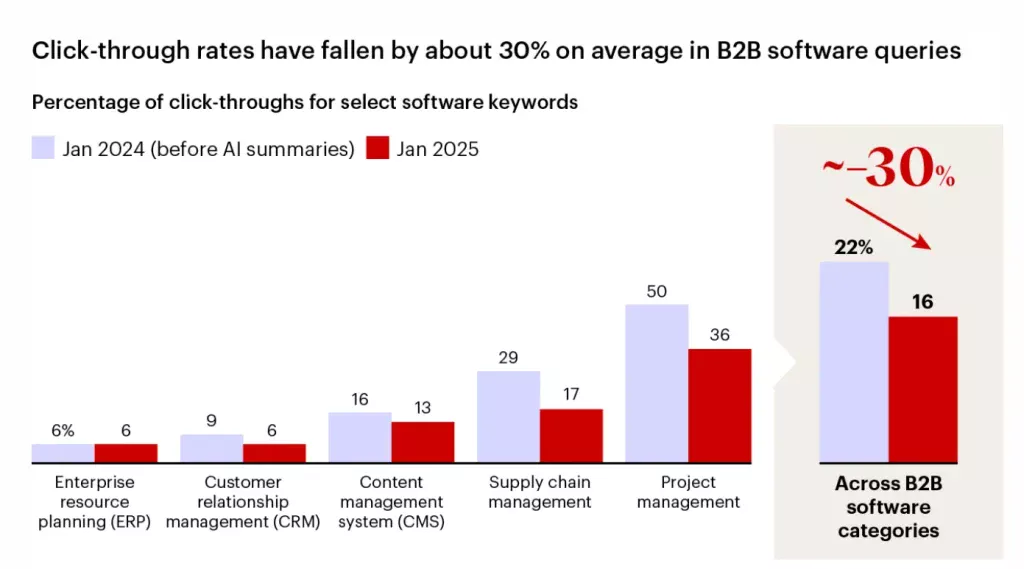
So, if AI platforms are driving zero-click search, why bother optimising for them?
AI is compressing the buyer journey. If your brand isn’t showing up in AI-generated answers, there’s a good chance that potential customers will never even reach your website, because they’ve already been influenced elsewhere.
And AI visibility doesn’t mean zero traffic. When your brand is mentioned, recommended, or linked in an AI summary, users may:
- Click on the citation directly.
- Search for your brand by name.
While traditional clicks may decline, AI Search gives you the power to own the first impression and capture higher-intent leads.
Here’s how to get started with your AI Search Optimisation strategy:
- Audit your brand visibility in AI tools like ChatGPT, Perplexity, and AI Overviews.
- Nail your brand positioning to ensure clarity and relevance in summarised answers.
- Create AI-friendly content that answers high-intent, complex queries.
- Build high-authority brand mentions across reputable third-party sites.
- Monitor your presence in AI search results and citation opportunities.
- Track your AI referral traffic in Google Analytics 4 (GA4).
2. Perform in Traditional Search
Optimising for AI Search doesn’t mean you need to abandon Search Engine Optimisation (SEO). To be successful in 2026 and beyond, you need a strategy for AI visibility and a parallel SEO strategy to maintain dominance in traditional search.
This is because AI Search Optimisation and SEO are different. AI Search Optimisation is all about being included in AI-generated responses, either through direct mentions, recommendation lists, or citations. SEO is focused on ranking at the top of Google and other traditional search engines
While AI Search is reshaping discovery, Google still holds the majority of the search engine market share and drives billions of searches a day. This makes search performance a high-value, high-intent acquisition channel, and neglecting it opens the door for competitors.
Tim Cameron-Kitchen, Founder of Exposure Ninja, shares his most effective tactics for B2B SEO:
- Don’t worry too much about keyword search volume. “Some search volume is useful, but don’t dismiss a keyword just because your SEO tools say it’s low. If you’ve spoken to your customers and know that’s what they’re searching for, target that phrase anyway.”
- Match search intent, not just keywords. “Before you optimise a page or create new content, look at what’s already ranking for that keyword. Is Google favouring commercial landing pages or educational blog posts? You need to align your content with the format and intent Google wants to serve to win the rankings.”
- Invest in link building. “High-quality backlinks are still essential for strong rankings. One of the best ways for B2B companies to earn them is by publishing original thought-leadership content. These types of insightful, experience-driven pieces naturally attract citations and shares.”
My biggest tip for B2B SEO is to keep going. We worked with a B2B client that absolutely dominated their search terms until they stopped investing in SEO. A year later, they have been overtaken by competitors who kept showing up. SEO isn’t a one-off campaign. It’s a long-term strategy that needs consistent effort to maintain and grow results.
 Tim Cameron-Kitchen
Founder
Tim Cameron-Kitchen
Founder
These are some of the SEO tactics we used with our client, Takeaway Packaging. Through effective on-site optimisation and off-site content efforts, we increased organic website traffic by 478% in just nine months, helping this business secure more conversions with its B2B target audience.
3. Optimise for Every Stage in the Buyer Journey
We’ve helped generate over 100,000 B2B leads for our clients and our own business, and we’ve learned this one the hard way: B2B buyers don’t move fast.
The average B2B buying journey can last 6 to 12 months longer than B2C, depending on the product or service, industry, and the number of people involved in the decision. Gartner found that an average B2B buying group can include 5 – 11 stakeholders. That’s a long time to wait for one person to say, “Let’s relook at this in Q3.”
That’s why your digital marketing can’t stop at awareness. You need to stay visible, valuable, and persuasive through every step of that long decision-making journey and appeal to every stakeholder’s needs and pain points.
Let’s look at an example. Say you’re selling an AI content writing platform to a mid-sized company. You’re not just convincing one person to sign up. You’re influencing multiple decision-makers, each with their own priorities.
- The content writer wants to save time and improve content quality.
- Their line manager wants to see output improve without losing brand voice.
- The senior manager or C-suite wants to make sure it fits in the budget and delivers ROI.
To win this deal, you’re not just selling a subscription. You’re building a business case that travels up and across the org chart. That means creating a digital marketing strategy that supports every buyer at every stage.
Here’s how the early stages of the B2B buying journey typically play out, and how you can support buyers at each stage:
Problem Awareness
At this point, your buyer isn’t looking for a solution. They may not even know one exists. They just know something’s not working.
Consider the content writer or line manager above. They’ve noticed that producing quality content at the scale needed to be competitive has become too time-consuming. But perhaps they can’t afford to hire another writer, and outsourcing to contractors would require process development and training time they just don’t have the capacity for.
This is where understanding your target audience deeply becomes critical. When you know their day-to-day challenges and the language they use, you can then use this to:
- Create educational content around solutions to common problems for all decision-makers.
- Share relatable stories from your existing clients or customers on your website or social media.
- Offer diagnostic tools like self-assessments or checklists to help them uncover the solutions to their problems.
- Host webinars or live Q&As that deal with the problems in a broader industry context.
Research
By the time a B2B buyer reaches out to a vendor, they’re often already 69% through the decision-making process.
That’s because they’ve spent time researching the problem, exploring potential solutions, and building a shortlist, often without speaking to a salesperson. If you’re not visible during this phase, you risk being excluded before you even get a chance to compete.
Here’s what you can do to boost visibility at this key stage:
- Optimise for high-intent, solution-aware keywords to rank on traditional search like Google.
- Boost your AI visibility to be directly mentioned, recommended, or cited in AI Search.
- Post thought-leadership content on platforms like LinkedIn or YouTube.
- Publish FAQ-style blog posts that address buying concerns, features, and use cases.
Consideration
The number of B2B brands considered during this phase has increased by 62% since 2021, showing how buyers are more informed, more selective, and comparing more options than ever. This makes it essential to stand out and clearly communicate your value.
- Create competitor comparison pages to help buyers understand your strengths.
- Handle any common objections for each stakeholder with marketing material.
- Run retargeting ad campaigns to stay visible while buyers explore competitors.
- Deliver targeted email nurturing that answers common questions and keeps prospects engaged.
Decision
By the decision stage, your buyer has narrowed down their options and is actively evaluating final choices. They’re looking for proof that your solution works, that it’s trusted by others like them, and that the risk of choosing you is low.
Here’s what you can do:
- Share detailed case studies tailored to the buyer’s industry, team size, or challenge.
- Use testimonials, reviews, and third-party validation to build trust and reduce perceived risk.
- Provide ROI calculators to help senior decision-makers understand value and payback period.
Retention
Your B2B digital marketing strategy doesn’t stop when you win the customer. The goal at this stage is to make your customer’s success visible, show continued value, and keep solving problems as their business evolves.
- Use email marketing to share usage tips, product updates, and industry insights.
- Build loyalty through educational content that helps customers stay ahead in their roles.
- Publish customer success stories to reinforce ROI and make them feel proud of their choice.
- Offer exclusive access to webinars, events, or beta features to deepen the relationship.
4. Helpful Content Creation Is Mandatory
In 2025, 91% of B2B marketers have embraced content marketing. From educational blogs to downloadable reports to thought leadership videos, B2B marketers know that high-quality, valuable content can help bring in leads and drive profitable customer actions.
There’s no denying that content creation, distribution, and promotion take a lot of work, but the end result is worth it! Here’s why:
- Attracting the Right Crowd: By creating targeted content that addresses your audience’s specific needs and pain points, you’ll draw in the individuals who are most likely to benefit from your products or services.
- Showcasing Expertise: High-quality content allows you to demonstrate your knowledge and position your brand as a thought leader in your industry.
- Building Trust: Consistently delivering valuable content helps you establish trust and loyalty with your audience. When they see that you’re invested in their success, they’ll be more likely to choose your brand over the competition.
- Driving Conversions: Content marketing is fantastic for nurturing leads and guiding potential customers through the buyer’s journey. By providing helpful, informative content at each stage, you’ll increase your chances of turning prospects into paying customers.
- Long-term Gains: Unlike paid ads that vanish once the campaign ends, content marketing keeps working its magic long after you hit “publish.” It’s the gift that keeps on giving, with lasting SEO benefits and the potential for evergreen content that remains relevant over time.
But here’s the catch: B2B content marketing has become way more competitive.
The content space is more crowded than ever, and you’re not just competing on Google, LinkedIn, or YouTube anymore. You’re also up against AI Overviews, ChatGPT, Perplexity, and every other AI-powered search tool that’s reshaping how B2B buyers find answers.
To stand out, you need a content strategy that is specific and genuinely valuable to the buyer. The brands winning visibility, trust, and conversions today are following these principles:
- Start with real pain points. Speak to the problems your buyers are already feeling.
- Use real examples and insights. Don’t just tell people what to do, show them how you’ve done it with case studies, screenshots, lessons learned, and mistakes avoided.
- Match it to the journey. Create different content for different stages of the funnel and the different decision-makers involved.
- Demonstrate E-E-A-T to earn visibility in both traditional and AI Search.
When your content is genuinely helpful, it can generate leads. By turning valuable resources into lead magnets, you can ask for a visitor’s name and contact information in exchange for access.
We did exactly this with MCS Cleaning, a B2B commercial cleaning company. We helped them create a professional brochure that acted as a secondary, low-barrier call-to-action (CTA). For prospects who weren’t quite ready to get in touch, the brochure provided useful information while capturing leads in a non-pushy, value-driven way.
Tim Cameron-Kitchen has a bonus tip: “If your content is genuinely useful, don’t just leave it sitting on your website hoping someone finds it, promote it with Pay-Per-Click (PPC) advertising.
We worked with a client selling office management software and created a free hybrid working policy guide to help their audience navigate post-pandemic challenges. It solved a real problem, and the people downloading it were exactly the kind of high-intent leads the client wanted. We were happy to pay to drive traffic to that content because it built trust, positioned the brand as the expert, and ultimately led to sales.”
5. Build Authority with Digital PR
B2B buyers are typically making high-stakes decisions involving significant investment, long-term contracts, or critical operational impact. They’re cautious, analytical, and increasingly sceptical of sales claims. Before signing on the dotted line, they want to see credibility from sources they already trust.
This is where Digital PR comes in.
Digital PR helps you earn trust, authority, and visibility by getting your brand featured in respected industry publications, business outlets, and relevant media. It’s not just about backlinks for SEO (though those help). It’s about third-party validation that shows buyers you’re worth paying attention to.
Another major benefit of Digital PR is boosting your visibility in AI Search. More B2B buyers are using AI tools like ChatGPT and Perplexity to shortcut their research by asking for vendor recommendations based on complex, tailored criteria.
To get your brand directly mentioned or recommended in these answers, AI models need to see you as a credible source. This means your brand needs to show up in the sources these platforms crawl and reference, like respected media, expert roundups, and high-authority industry sites. Digital PR helps you secure mentions and citations in those third-party publications, sending strong authority signals that increase your chances of being referenced, recommended, or linked by AI.
Here’s how to use a Digital PR strategy to build authority and trust with your B2B audience and increase your brand mentions in AI Search:
- Pitch thought leadership and expert commentary. Share your take on timely topics or industry shifts. Journalists are always looking for credible voices.
- Distribute strategic press releases. Focus on newsworthy developments, like new product launches, partnerships, or expansions into new markets.
- Create and pitch original research. Commission a survey or analyse your internal data to create newsworthy insights that publications will want to cite.
- Offer value to the media. Use tools like Qwoted to respond to relevant journalist requests and PR opportunities.
- Collaborate with niche publications. Don’t just chase big-name headlines. Industry-specific sites, B2B podcasts, or trade publications often deliver more qualified exposure.
- Repurpose PR wins across channels. Turn every media mention into a multi-platform asset. Reshare coverage on LinkedIn, highlight it on your website, and build sales enablement material around it.
6. Enhance Your Branding and Positioning
B2B buyers are savvier, more selective, and have more options than ever. To cut through the noise, your brand needs a crystal-clear brand positioning that makes it obvious why you’re the best choice.
B2B brand positioning is the strategy that defines how your business is perceived in the market. It answers fundamental questions like:
- Who are you for?
- What problem do you solve?
- Why should anyone trust you?
It’s not just what you say, but how you say it, where you show up, and how consistently you reinforce your value through every digital touchpoint.
Solid brand positioning has always been important, but we’ve seen that it matters now more than ever, thanks to AI Search. AI tools recommend brands based on signals of authority, relevance, and clarity. That means if your positioning isn’t instantly clear to both humans and AI, you’re likely to be skipped over in the early stages of research.
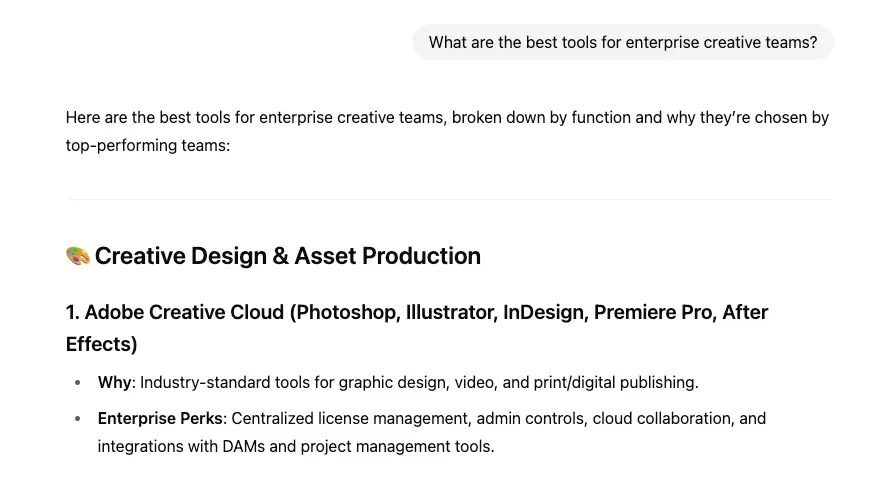
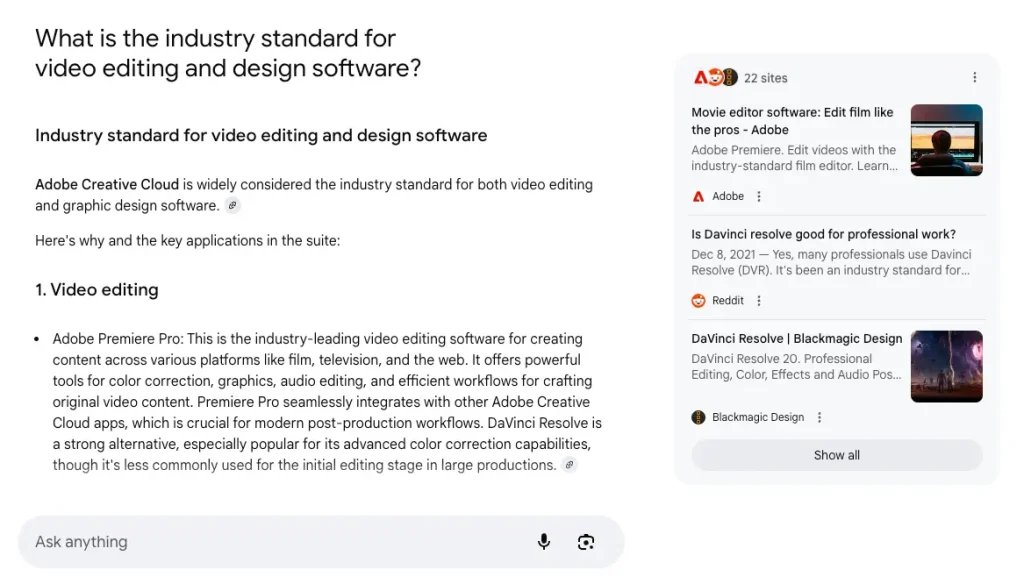
Take Adobe, for example. Adobe doesn’t just sell software; it owns the category of creative and design tools for professionals thanks to a brand positioning that is focused, consistent, and emotionally resonant. You know what they stand for, who they serve, and what they do better than anyone else.
That’s why in AI Search, you’ll find Adobe frequently recommended for any prompts related to its brand positioning:
Here’s the problem: Most businesses think their positioning is strong. But in reality, it’s often vague, generic, or too internally focused. If your website, ads, or sales materials could be swapped with a competitor’s and no one would notice, your positioning isn’t working hard enough.
If you fall into this category, here are four steps to sharpen your positioning:
- Audience Analysis: You need to fully understand your target audience’s priorities, pain points, decision triggers, and language. Interview customers, gather insights from your sales team, and map out buyer personas that actually reflect real behaviour.
- Competitor Research: Analyse your competitor’s positioning so you can outperform them by identifying the gaps. What are they saying (or not saying)? Where are they failing to connect? Strong positioning often starts where your competitors’ messaging ends.
- Unique Value Proposition and Positioning Statement: Craft a simple, powerful statement that explains who you help, what you help them achieve, and how you do it differently or better. This should act as the anchor for all your messaging, from ads and email to website copy and sales decks.
- Align Positioning With Messaging and Action: Your value proposition should show up consistently across your content, marketing, design, and sales experience.
Need a strategic partner to sharpen your brand? Our Branding and Positioning Accelerator is a bespoke service designed to uncover your core differentiators and build a clear, compelling positioning strategy that fuels your entire marketing funnel.
7. Advance Email Marketing with Automation
Email marketing remains one of the most effective and measurable channels in B2B marketing. With longer sales cycles and complex decision-making processes, email marketing allows you to nurture leads over time, build trust, and stay top-of-mind through every stage of the buyer journey.
B2B marketers often rank email as the top channel for lead nurturing, with 73% saying it’s their most effective content distribution method.
But to drive serious results, you need smart automation. Email automation allows you to scale personalised communication based on user behaviour, preferences, and buying stage. Instead of relying on manual sends, you can automatically deliver relevant content at the right time.
With a solid email automation strategy, you can:
- Nurture leads at scale with tailored content based on user behaviour and funnel stage.
- Re-engage dormant contacts through triggered campaigns.
- Drive conversions with personalised CTAs and timely follow-ups.
- Segment effectively, ensuring relevance and improving engagement.
- Shorten sales cycles by delivering helpful content when it matters most.
Take Age Care Bathrooms, a mobility bathroom provider we’ve worked with since 2023. While not a B2B business, their long sales cycles and emotionally involved buyer journeys share many similarities with B2B dynamics.
We developed an email strategy that helped turn email into one of their most effective digital channels. This included:
- Segmented sign-up forms to match users with relevant content.
- Ten automated nurture workflows triggered by user action or funnel entry point.
- Weekly trust-building newsletters packed with helpful content and case studies.
- Re-engagement workflows targeting PPC leads who didn’t convert.
- Advanced CRM reporting to attribute leads and revenue accurately.
This approach helped us deliver 529 email-attributed leads, 127% growth in email-driven revenue, and £61,966 email revenue in a single month. The significant part is that this is a repeatable, scalable model that B2B marketers can apply with even greater relevance.
8. Take Some Cues from B2C
The best B2B brands are borrowing from B2C playbooks, especially when it comes to design, messaging, and user experience.
While your audience might be B2B, they’re still B2C consumers in their daily lives. That means they carry B2C expectations into B2B environments, like seamless navigation, mobile-optimised design, clear messaging, and instant credibility.
We embraced this with our client, Transparent, a global procure-to-pay (P2P) firm. Our website development team built a clean, conversion-led website that used B2C-inspired design principles tailored to a B2B audience.
Here’s how the B2C thinking shaped results:
- User-First Journeys: Using insights from our bespoke Branding and Positioning Accelerator, we mapped tailored user flows for different buyer types, ensuring each could find relevant, persuasive content with minimal friction.
- Conversion-Focused Design: Every element was built to drive action. From strategically placed CTAs to downloadable reports and discovery call forms, the site focused on turning visitors into high-quality leads, not just impressing them visually.
- Modern UX Execution: Mobile-first design, a simplified custom mega menu, and accessible navigation ensured the site delivered the kind of polished, intuitive experience today’s decision-makers expect.
- Clarity and Credibility: We stripped away jargon and focused on clear, benefits-led messaging. Case studies, trust badges, and third-party validation were embedded throughout, exactly as top-performing B2C sites do to reduce friction and build trust.
In just four months after launch, the website generated 51 qualified B2B leads. For Transparent, where a single deal can be worth five or six figures, this marked a major success in proving that digital can scale what traditional sales had started.
“Despite our niche business, [Exposure Ninja] quickly understood our vision and took a collaborative approach, leading to fantastic results,” said Giedre Dijik, Marketing Lead at Transparent.
This shows how borrowing from B2C design and UX can dramatically improve how your buyers engage, trust, and convert, especially for complex or high-value offerings.
9. Drive Leads with Google and Microsoft Ads
PPC advertising remains a high-performing B2B marketing strategy, and it’s easy to see why. When executed well, PPC can drive immediate, high-intent traffic and generate qualified leads across every stage of the buyer journey.
Many B2B marketers already use Google Ads, but Microsoft Ads are increasingly worth exploring. Microsoft’s platform often delivers a more professional, desktop-oriented audience, particularly in industries like finance and legal. Plus, lower competition and cost-per-click (CPC) can make it a more efficient channel for certain segments.
Regardless of whether you’re driving a Microsoft Ads or Google Ads strategy, the objective remains the same: get great ads in front of the right decision-makers at the right time to generate quality leads.
“The main issues we see with B2B PPC are around targeting and creative,” says Tim Cameron-Kitchen. “If your ads aren’t aligned with where the buyer is in their journey, or if your creative doesn’t stand out or resonate, you’ll struggle to generate quality leads or waste budget on the wrong ones.”
Let’s break down the two biggest levers you can pull to make your PPC campaigns drive stronger results:
Tailor Ads to Every Stage of the Funnel
B2B buyers rarely click once and convert. The buyer journey is long and often involves multiple stakeholders. That’s why a single ad or landing page won’t cut it.
To increase conversion rates and lead quality, structure your campaigns around funnel stages:
- Top of Funnel (Awareness): Promote blog content, whitepapers, guides, or webinars to attract early-stage buyers who are just starting to explore challenges or opportunities. Campaigns should focus on educating and building awareness.
- Middle of Funnel (Consideration): Share case studies, comparison pages, or product overview videos to engage buyers who are actively researching solutions. These assets should position your business as a credible, valuable option.
- Bottom of Funnel (Decision): Run high-intent ads encouraging discovery calls, product demos, or trials. Use strong CTAs and trust signals like reviews or results to support conversions.
To make your top-of-funnel ads effective, start by identifying the real pain points your buyers experience. Speak to your sales and customer service teams to find out what challenges your audience faces and what influences their decisions. Talk directly to customers to understand the issues they had before choosing your business and what convinced them. Competitive research is also valuable. Reviewing the keywords your competitors are targeting can uncover additional opportunities for your own campaigns.
Tim Cameron-Kitchen
Founder
Invest in High-Quality Ad Creative
Visual ads will become a top PPC trend, but adding just any ad creative won’t cut it. B2B audiences are becoming more desensitised to generic, stock-style ads. That’s why the best-performing campaigns use bold, benefit-led creative that feels modern and human.
Whether it’s text, image, or video, your creative should:
- Highlight pain points and outcomes. Speak directly to the business problem and the transformation your solution delivers.
- Use strong headlines and CTAs tailored to the stage in the journey.
- Leverage video and interactive formats, especially on YouTube or Display.
- Reflect your brand identity. Clean, well-designed assets build trust, while poor visuals suggest a low-quality product or service.
10. Unleash the Power of Video Marketing
B2B buyers want clarity, credibility, and connection. Video marketing can deliver all three.
Whether you’re trying to break through in a crowded space, simplify a complex solution, or build trust with a sceptical buyer, video marketing is one of the most effective tools at your disposal.
Here’s why it works so well:
- Captures and Holds Attention: Video helps combat shrinking attention spans. By combining visuals, audio, and storytelling, video is often far more engaging than static content.
- Simplifies Complex Solutions: Explainer videos, product walkthroughs, and demos help communicate intricate B2B offerings in a digestible format.
- Humanises your Brand: Whether it’s team interviews, behind-the-scenes clips, or customer testimonials, video helps build an emotional connection and credibility.
- Boosts Shareability and Reach: Video content is far more likely to be shared on social media and LinkedIn, increasing your visibility organically.
- Improves Lead quality and Conversions: According to Wyzowl, 88% of marketers say video has helped them generate leads, while 84% say it has directly increased sales.
We’ve seen these results firsthand.
At Exposure Ninja, we’ve been producing dedicated B2B video content for over six years. It’s helped us build authority, expand our reach, and land clients like The Ordinary, who found us through one of our educational videos on YouTube.
By consistently publishing timely, actionable content for business owners and marketing managers, we’ve built trust and loyalty with our audience. In many cases, that trust becomes advocacy with our viewers becoming the internal champions who help get Exposure Ninja over the line with their leadership teams.
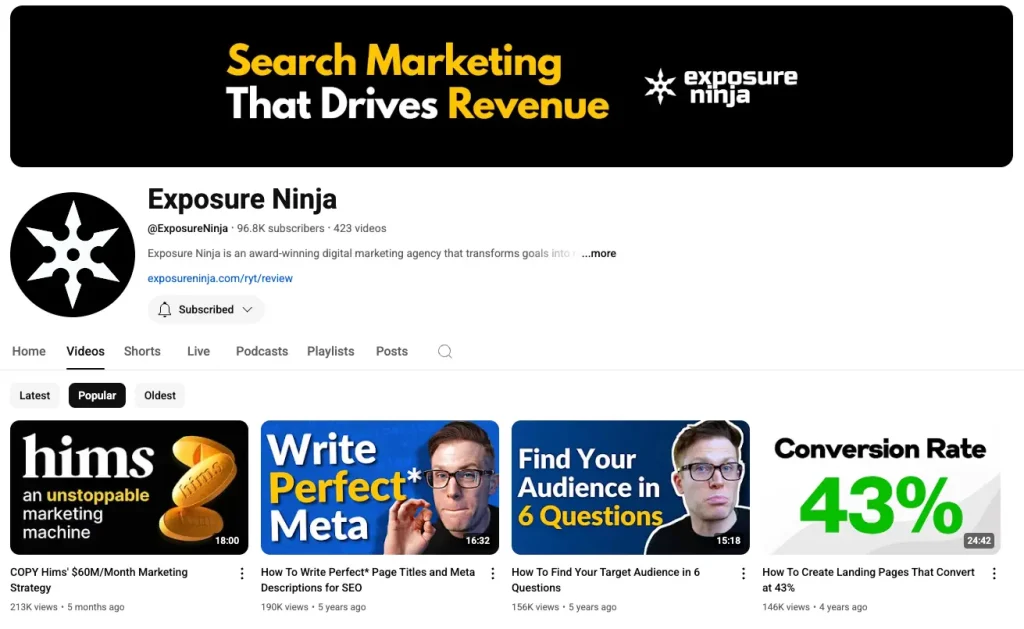
Based on our experience, we’ve put together some tips for creating a successful B2B video marketing strategy:
- Define Your Goals: Like every marketing strategy, always start by defining your video marketing goals. Are you looking to increase brand awareness, drive sales, or educate your audience? Defining your goals will help you create targeted videos that resonate with your audience.
- Know Your Audience: To create effective videos that engage your audience, it’s crucial to understand their preferences and pain points. Develop audience personas and use surveys or social listening tools to gather insights into their needs and interests. This data allows you to tailor your videos to meet the specific needs of your audience, resulting in more impactful and engaging content.
- Choose the Right Format: There are many different types of video formats, including explainer videos, product demos, testimonials, and live streaming. Choose the format that aligns with your goals and audience preferences.
- Create Compelling Content: Develop high-quality, engaging video content that captivates your audience and effectively delivers your message. Use storytelling techniques, humour, and emotion to make your videos memorable and shareable.
- Optimise for Distribution: You can optimise your videos for distribution by creating attention-grabbing titles, descriptions, and tags. Share your videos on social media platforms, email campaigns, and your website to increase visibility and engagement.
- Track Your Performance: Use video analytics tools to track your performance and identify areas for improvement. Monitor metrics such as views, engagement, and conversions to measure the effectiveness of your video marketing efforts.
By following these tips and leveraging the power of video, you can create a compelling video marketing strategy that engages your audience and drives results.
11. Unlock Success With Personalisation
Personalisation has become a buzzword in the marketing world, and for good reason.
McKinsey research found that 71% of customers expect companies to deliver personalised interactions. Even more interestingly, 76% get frustrated when this doesn’t happen.
In B2B marketing, this expectation is even more pronounced. B2B buyers operate in high-stakes environments, often navigating complex solutions, long buying cycles, and multi-stakeholder sign-offs. Personalisation helps them cut through the noise and focus on the information that’s actually relevant to their role, industry, or current stage in the decision-making process.
Here are some tips for personalising your B2B digital marketing strategies:
- Leverage Data: Collect data on your customers’ preferences, behaviour, and purchase history to create personalised messages and experiences. Use tools like customer relationship management (CRM) software, web analytics, and social media listening to gather valuable insights about your audience.
- Segment Your Audience: Divide your audience into groups based on shared characteristics, such as age, location, interests, or behaviour. This allows you to create targeted messages and experiences that resonate with each group.
- Personalise Your Content: Create content that speaks directly to your audience’s interests, needs, and pain points. Use their names, provide personalised recommendations, and tailor your messaging based on their previous interactions with your brand.
- Automate Your Campaigns: Use marketing automation tools to deliver personalised messages at scale. This can include triggered emails, personalised offers, or targeted ads based on customer behaviour.
- Offer Personalised Experiences: Personalise the customer experience by providing tailored product recommendations, custom landing pages, or personalised offers. This can help build brand loyalty and increase customer retention.
B2B Digital Marketing Strategies That Lead the Way
The best B2B marketing strategy integrates:
- Optimising for both AI and traditional search.
- Supporting decision-makers throughout the longer buyer journey.
- Creating genuinely helpful content that captures leads.
- Delivering a strong brand positioning consistently.
- Ensuring your PPC campaigns perform with funnel-aligned targeting and great creative.
- Nurturing leads the smart way with email automation.
- Building trust and authority with digital PR.
- Diversifying your content mix with video marketing.
- Blending in B2C best practices in your web design and user experience.
- Personalisation across every touchpoint.
But even the strongest strategies fall flat without focus. If you’re stuck juggling disconnected tactics or unsure whether to prioritise SEO, PPC, content, or email, our team can help. At Exposure Ninja, we build integrated B2B marketing strategies that are aligned with your goals and designed to scale your business.
Request a callback, and let’s unlock serious growth this year and beyond.
Take your B2B marketing to the next level and read our guides:
- How to Get Qualified B2B Leads Using SEO
- B2B Website Design Trends
- How to Create High-Converting B2B Landing Pages
FAQs
What is the best B2B marketing strategy?
There’s no single “best” B2B marketing strategy, but a smart, multi-channel approach wins every time. Focus on AI Search Optimisation, helpful content, SEO, paid ads, and a great user experience. When those work together, leads and sales follow.
What are some ways to market successfully to B2B buyers?
Start by being genuinely helpful with content that answers real questions and solves real problems before the sales conversation begins. Use AI Search Optimisation, SEO, email automation, and well-targeted ads to stay visible and valuable throughout the long buying journey. The most successful B2B marketers build trust first, then guide prospects toward action with smart, strategic touchpoints.
What is the best platform for B2B marketing?
There’s no one-size-fits-all, but Google Search and increasingly AI-powered Search are essential for capturing high-intent traffic at every stage of the funnel. Email marketing rounds out the trio, offering a powerful way to nurture leads and drive conversions over longer B2B sales cycles.