9 Reasons Why Your Traffic Is DOWN This Year

Picture this: you’re reviewing last month’s analytics, and your stomach drops faster than your website traffic. The numbers don’t lie — your organic visits are down 30%, and you’re scrambling to understand why.
If this scenario feels painfully familiar, you’re not alone. Traffic drops are amongst the most stressful experiences for marketing leaders, particularly when millions in revenue hang in the balance. The good news? Most traffic drops follow predictable patterns, and once you understand the root cause, you can chart a path back to growth.
At Exposure Ninja, we’ve diagnosed and resolved hundreds of traffic drops over the past decade. From gradual slides that creep up over months to sudden overnight plunges that trigger emergency board meetings, we’ve seen it all — and more importantly, we’ve fixed it all.
Here’s what you need to know: traffic drops fall into two distinct categories, each requiring different diagnostic approaches and solutions. Understanding which type you’re dealing with is the first step towards recovery.
Executive Summary
Website traffic drops can devastate business performance, but they’re rarely mysterious once you know what to look for. This guide reveals the nine most common causes of traffic decline, broken into two critical categories:
Gradual Traffic Drops (5 Causes):
- Changing searcher behaviour, particularly the rise of AI search tools
- Seasonal fluctuations that vary by industry and business model
- SEO neglect, where content becomes stale and loses competitiveness
- Increased competition as rivals improve their digital marketing
- Cumulative impact of successive Google algorithm updates
Sudden Traffic Drops (4 Causes):
- Major Google algorithm updates that reshuffle rankings overnight
- Manual penalties from Google for guideline violations
- Technical SEO issues, often following website migrations
- Tracking errors that create the illusion of traffic loss
For each cause, we’ll show you how to diagnose the issue, understand its impact, and implement effective solutions. Whether you’re facing a gradual decline or sudden drop, this framework will help you identify the root cause and develop a recovery strategy.
The key insight? Different problems require different solutions, and attempting to fix the wrong issue often makes things worse.
Reason 1: Changing Searcher Behaviour
The way people search is evolving rapidly, and this shift is quietly eroding traditional website traffic. The most significant change? The explosive growth of AI-powered search tools.
ChatGPT now processes over 1 billion searches daily. Those searches aren’t coming from thin air — they’re migrating from traditional search engines, taking potential website visitors with them.
But here’s the crucial distinction: losing traffic to AI isn’t necessarily catastrophic if you’re positioned correctly. When someone asks ChatGPT or Perplexity for recommendations in your industry, you want your business to be the one being suggested.
How to Diagnose This Issue:
Check your analytics for gradual declines in information-seeking queries. Look specifically for drops in traffic from keywords like:
- “How to [solve problem]“
- “Best [product type] for [use case]“
- “What is [industry term]“
These are exactly the types of queries people increasingly ask AI tools instead of Google.
The Solution:
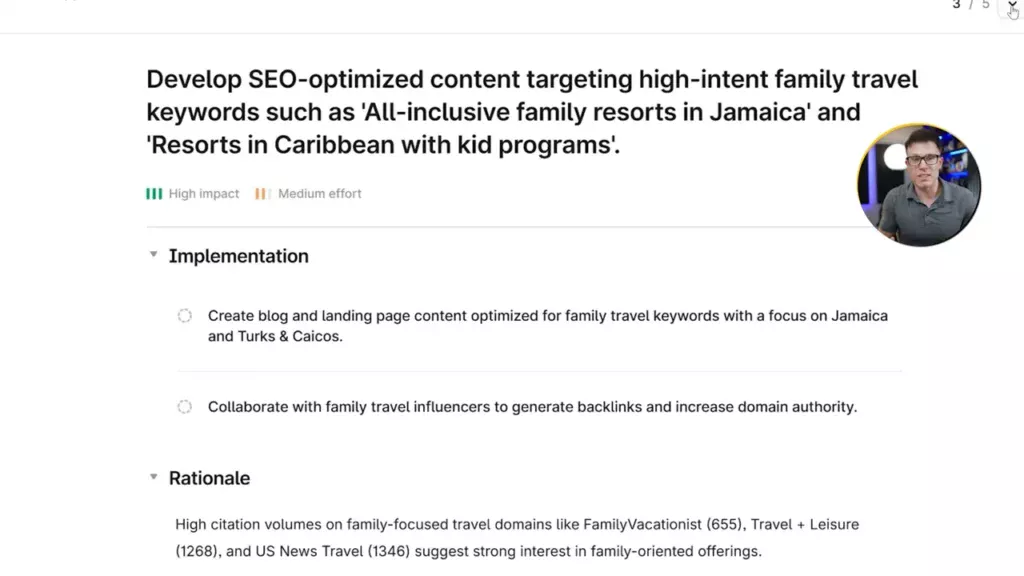
Shift your strategy from capturing clicks to earning recommendations. Tools like Profound can show you how your business appears in AI search results, giving you visibility into this new landscape.
Focus on creating content that AI tools want to cite: factual, well-structured information with clear data points and expert insights. When AI tools recommend solutions, you want them to recommend you.
Reason 2: Seasonality
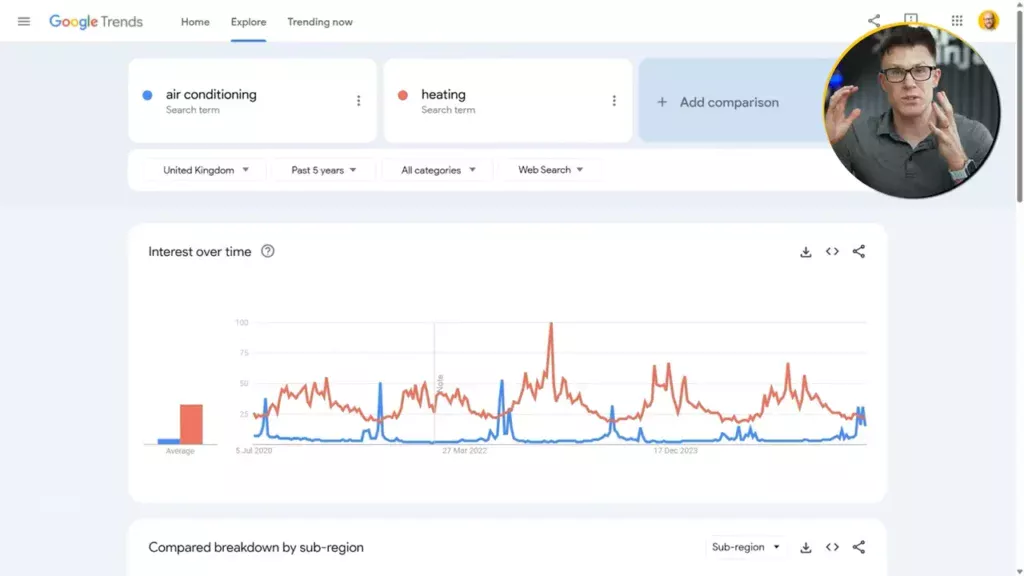
Even sophisticated marketing leaders sometimes overlook seasonality’s impact on traffic patterns. While some seasonal effects are obvious — air conditioning sales peak in summer — others are surprisingly subtle.
B2B businesses, for instance, typically see traffic drops between early December and early January as decision-makers mentally check out and defer budgets to the new year. Salesforce’s traffic data perfectly illustrates this pattern: interest drops in late December, surges in spring, dips in summer, recovers in autumn, then cycles again.
How to Diagnose This Issue:
Compare your traffic patterns year-over-year rather than month-over-month. Look for:
- Consistent drops during the same periods annually
- Recovery patterns that follow predictable timelines
- Industry-wide trends that affect multiple competitors simultaneously
The Solution:
Anticipate seasonal downturns and use them strategically. During quiet periods:
- Refresh and update existing content
- Build email marketing campaigns for the upcoming busy season
- Create content targeting next quarter’s trends
- Run promotional campaigns that encourage early purchases
The goal isn’t to eliminate seasonality — it’s to smooth the peaks and troughs for more predictable revenue flow.
Reason 3: SEO Neglect
Content has a shelf life, and Google’s appetite for fresh, updated material means yesterday’s winning page can become tomorrow’s also-ran without proper maintenance.
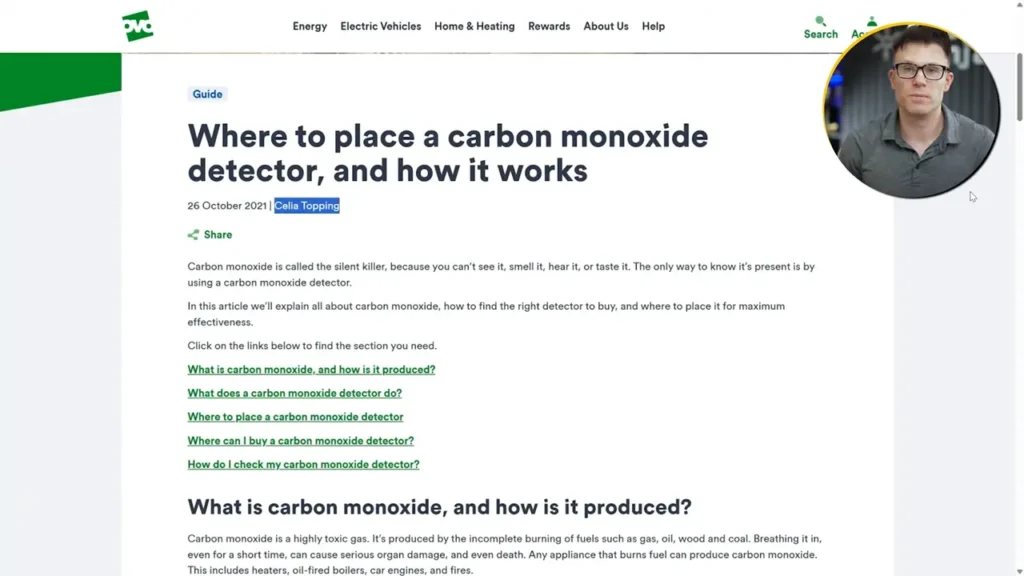
When we audited OVO Energy’s website, we found guides from 2021 that hadn’t been touched since publication. While the information remained accurate, Google increasingly favours content that shows signs of ongoing attention and expertise.
How to Diagnose This Issue:
Audit your top-performing content for:
- Publication dates older than 18 months without updates
- Outdated statistics, examples, or references
- Missing modern content elements (videos, personal experience, author credentials)
- Declining rankings for previously strong-performing pages
The Solution:
Implement a content refresh strategy:
- Quarterly Reviews: Identify your top 20 traffic-driving pages and schedule regular updates
- Data Updates: Replace old statistics with current figures
- Content Enhancement: Add videos, infographics, or interactive elements
- Author Credibility: Include author bios and credentials where relevant
- User Experience Improvements: Update formatting, add FAQ sections, improve readability
The goal isn’t to rewrite everything — it’s to show Google that your content is alive, maintained, and worthy of continued trust.
Reason 4: Competitors
Search is fundamentally a zero-sum game. When your competitors improve their digital marketing, they don’t just gain visibility — they often take it directly from you.
Your competitors aren’t standing still. They’re watching industry best practices, investing in content, improving their technical SEO, and potentially outspending you on digital campaigns.
How to Diagnose This Issue:
Conduct regular competitor audits focusing on:
- Content production frequency and quality
- Technical SEO improvements
- Backlink acquisition strategies
- Paid advertising spend and coverage
- Social media and digital PR activities
Tools like SEMrush or Ahrefs can show you which competitors are gaining visibility for your target keywords.
The Solution:
Staying ahead requires continuous improvement:
- Monthly Competitive Intelligence: Track competitor content and campaign launches
- Content Gap Analysis: Identify topics your competitors cover that you don’t
- Technical Superiority: Ensure your site loads faster and provides better user experience
- Strategic Differentiation: Find angles and approaches your competitors haven’t exploited
Remember: becoming a market leader is challenging, but maintaining that position is even harder because you’re showing everyone else the playbook.
Reason 5: Successive Google Updates
While major algorithm updates grab headlines, Google releases approximately 300 smaller algorithm adjustments annually. Individually, these changes might not dramatically impact your rankings, but cumulatively, they can create the gradual traffic decline you’re experiencing.
How to Diagnose This Issue:
Look for steady, consistent ranking drops across multiple keywords rather than sudden changes. This pattern suggests a cumulative algorithm impact rather than a single update or technical issue.
Check your Search Console data for:
- Gradual position decreases across multiple queries
- Steady impression declines without obvious external factors
- Consistent pattern across different content types
The Solution:
Focus on fundamental SEO health rather than chasing algorithm changes:
- Content Quality: Ensure every page provides genuine value
- User Experience: Optimise site speed, mobile performance, and navigation
- Technical Excellence: Maintain clean code, proper schema markup, and crawlability
- Expertise Signals: Demonstrate author credentials and subject matter expertise
The businesses that weather algorithm changes best are those focused on serving users rather than gaming algorithms.
Reason 6: Major Google Algorithm Updates
When Google releases broad core updates, the impact can be swift and brutal. We’ve seen websites drop from 350,000 monthly visits to 20,000 virtually overnight following these major changes.
These updates typically target specific types of content or websites. Recent updates have heavily impacted sites with extensive user-generated content, AI-generated material, or thin, low-value pages.
How to Diagnose This Issue:
Check whether your traffic drop coincides with announced Google updates. The timeline correlation is usually obvious — major ranking changes within days of an update announcement.
Look for patterns in affected pages:
- Content type (AI-generated, thin, duplicated)
- Page structure and format
- Topic areas or keyword themes
The Solution:
Recovery from algorithm penalties requires patience and fundamental improvements:
- Immediate Response: Don’t panic or make hasty changes during the first two weeks — rankings often stabilise
- Content Audit: Identify the lowest-quality pages and either improve or remove them
- Quality Assessment: Be brutally honest about content value and user experience
- Long-term Strategy: Focus on creating genuinely helpful, expertly written content
Recovery isn’t quick, but it’s possible with sustained effort and genuine quality improvements.
Reason 7: Manual Penalties
Manual penalties are rare but devastating. Unlike algorithmic changes, these represent human reviewers at Google specifically flagging your site for guideline violations.
Common causes include aggressive link-building campaigns, keyword stuffing, or other black-hat SEO tactics.
How to Diagnose This Issue:
Manual penalties appear directly in Google Search Console with specific explanations and examples of the problematic behaviour.
The Solution:
- Immediate Action: Address the specific issues outlined in the penalty notice
- Clean-up Process: Remove or disavow harmful backlinks, fix content issues, eliminate spammy elements
- Documentation: Keep detailed records of all remediation actions
- Reconsideration Request: Submit a thorough reconsideration request explaining the changes made
Manual penalty recovery requires meticulous attention to Google’s feedback and complete elimination of the problematic practices.
Reason 8: Technical SEO Issues
Technical problems, particularly following website migrations, can cause sudden and severe traffic drops. These issues often coincide with platform changes, redesigns, or hosting moves.
How to Diagnose This Issue:
Check for recent website changes and examine:
- Redirect implementation (are old URLs properly forwarding to new ones?)
- Content migration (was all valuable content moved to the new site?)
- Technical errors (404 pages, server errors, crawling blocks)
- Page load speeds and mobile functionality
The Solution:
Technical SEO issues require systematic diagnosis:
- Redirect Audit: Ensure every important old URL redirects to the appropriate new page
- Content Audit: Verify all valuable content made the migration
- Error Resolution: Fix broken links, server errors, and crawling issues
- Performance Optimisation: Address site speed and mobile usability problems
For complex migrations, consider bringing in technical SEO specialists who can run comprehensive audits and implement fixes.
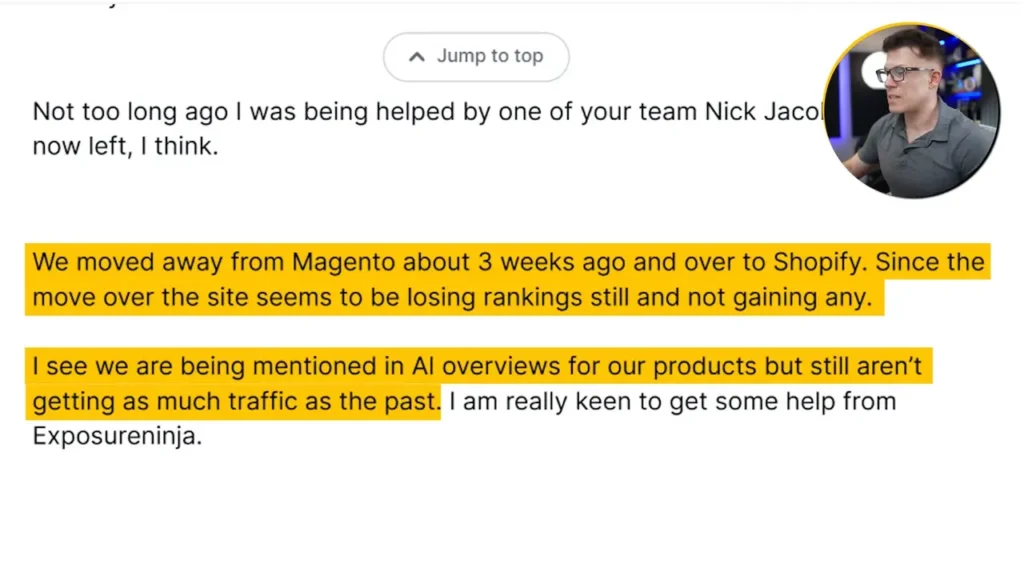
Reason 9: Tracking Errors
Sometimes the problem isn’t traffic loss — it’s measurement failure. Improperly configured analytics can create the illusion of dramatic traffic drops when visitor numbers remain stable.
How to Diagnose This Issue:
Cross-reference your analytics data with:
- Server log files
- Alternative tracking platforms
- Conversion and revenue data
- Social media and email traffic sources
If other metrics don’t correlate with the traffic drop, you likely have a tracking issue.
The Solution:
- GA4 Configuration: Ensure proper implementation across all pages
- Cookie Compliance: Verify that cookie banners aren’t blocking analytics tracking
- Cross-platform Verification: Use multiple tracking methods to validate data
- Professional Audit: Consider bringing in analytics specialists for complex implementations
Tracking errors are frustrating but easily resolved once identified — and the relief of discovering your traffic never actually dropped is immense.
Next Steps
Now that you understand the nine primary causes of traffic drops, here’s your action plan:
Immediate Actions (This Week):
- Determine whether your drop is gradual or sudden
- Check Google Search Console for manual penalties or technical errors
- Verify your analytics tracking is functioning correctly
- Compare your drop timeline against recent Google algorithm updates
Short-term Actions (Next Month):
- Conduct a comprehensive competitor analysis
- Audit your top-performing content for freshness and quality
- Review seasonal patterns in your historical data
- Assess your visibility in AI search tools
Long-term Strategy (Next Quarter):
- Implement a content refresh and maintenance schedule
- Develop competitor monitoring and response processes
- Create seasonal marketing strategies to smooth demand fluctuations
- Build expertise signals and authority markers throughout your content
When to Seek Help:
If you’re dealing with sudden drops following algorithm updates or technical migrations, consider bringing in specialists. The cost of expert help is often far less than the revenue lost during extended recovery periods.
In Conclusion
Traffic drops are undoubtedly stressful, but they’re rarely permanent disasters. The key to recovery lies in accurate diagnosis — understanding whether you’re dealing with gradual decline or sudden loss, then systematically addressing the root cause.
Remember that search marketing is fundamentally about serving your audience better than competitors. Whether you’re recovering from an algorithm update, fighting increased competition, or adapting to changing searcher behaviour, the solution almost always involves creating more valuable, more helpful, more expert content and experiences.
The businesses that emerge stronger from traffic drops are those that use the crisis as motivation for fundamental improvements. Don’t just aim to recover your previous traffic levels — use this opportunity to build a more robust, more competitive digital presence that can weather future challenges.
Your traffic drop might feel like a disaster today, but with the right diagnosis and strategy, it can become the catalyst for your strongest period of growth yet.
Watch This Next
Amongst all these reasons for why your traffic has dropped, the most important for your website (and business) over the long term is the impact of changing search habits and behaviours.
People aren’t defaulting to starting their search journey with Google. People are starting by asking AI tools, like ChatGPT, for solutions to their problems or for products that they either want or desperately need.
Your priority must be to learn what AI Search Optimisation is and how to do it, which we’ve covered in detail in the video below, and in this podcast: What is AI Search Optimisation (and How To Do It)