Copy This FLAWLESS Content Marketing Strategy in 2025

TL;DR
Here’s what actually works in content marketing for 2025:
Stop churning out AI-generated articles. Focus on depth. Build genuine expertise. The winners in 2025 aren’t the businesses with the fanciest AI tools — they’re the ones blending technology with real knowledge.
Your content needs to work harder. It needs to serve different learning styles. Written, audio, and video — create once, adapt often. Build hubs of content, not isolated pieces.
Most importantly? Stop treating AI as a replacement for expertise. Use it to enhance what you already know. That’s the opportunity most marketers are missing in 2025.
Ready to learn how? Keep reading.
Introduction
Here’s what most marketers are missing about content in 2025: while everyone’s rushing to implement AI content tools (like copy.ai and Jasper), the reality of what’s actually driving results looks completely different.
In a recent strategy discussion, three of Exposure Ninja’s leading marketing experts broke down exactly what’s working in content marketing right now — and more importantly, what isn’t. Dale Davies (Head of Marketing), Charlie Marchant (CEO), and Abigail Dalton-Jones (Head of Content Marketing) shared insights from managing hundreds of client campaigns across multiple sectors. The findings challenge everything most marketers think they know about content in 2025.
Timestamps
00:00 – Introduction
01:00 – How did content marketing change in 2024?
06:39 – How will content marketing change in 2025?
25:24 – What’s working well today?
33:12 – How to create a flawless content marketing strategy for 2025
How Did Content Marketing Change in 2024?
Let’s break down what’s really happening in content marketing. While most businesses spent last year chasing quick wins with AI content generation, campaign data revealed something completely different about what drives sustainable growth.
The reality? Content marketing underwent its biggest transformation since the mobile revolution. Here’s what actually happened:
First, depth and authenticity became non-negotiable. The common assumption that AI would make content creation “easy” proved drastically oversimplified. Websites pumping out generic AI content saw their traffic plateau or decline, while those focusing on deep, expert-driven content experienced dramatic growth in organic visibility.
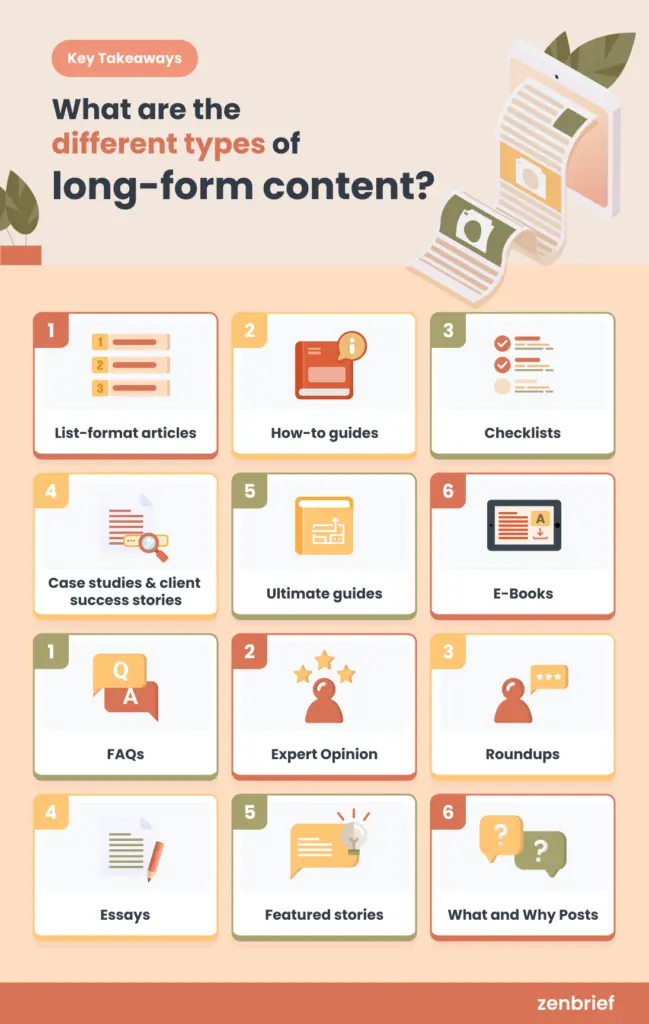
Second, long-form content made a strategic comeback in specific niches. This wasn’t just about word count — it was about comprehensive coverage that actually solved problems. Businesses shifting from surface-level blog posts to in-depth industry guides saw an immediate and sustained impact on their lead generation.
Is Content Still Important in 2025?
Here’s what most marketers miss about content’s relevance in 2025: while everyone’s panicking about AI taking over search results and zero-click searches destroying traffic, the reality looks completely different.
When Google introduced AI Overviews (formerly the Search Generative Experience), marketing teams worldwide predicted the death of organic traffic. The assumption was simple: if Google answers questions directly, why would anyone click through to websites?
The reality proved more nuanced. Rather than killing organic traffic, AI Overviews transformed how users interact with content.
Businesses that focused on creating genuinely helpful, expert-driven content found their pages appearing directly within AI Overview results, leading to more qualified traffic, not less.
When expert insights get featured in these AI-generated answers, it positions businesses as authorities before users even reach their websites.
What are AI Overviews?
Formerly known as the Search Generative Experience (SGE), AI Overviews are a Google AI-powered search feature that provides direct generative answers while referencing authoritative sources.
How Will Content Marketing Change in 2025?
The evolution of content marketing centers on one crucial element: EEAT (Experience, Expertise, Authoritativeness, and Trustworthiness). This has become increasingly important with the rise of AI-generated content.
What Is EEAT?
EEAT stands for Experience, Expertise, Authoritativeness, and Trustworthiness — Google’s core criteria for evaluating content quality. In 2025, this has become even more crucial with the rise of AI-generated content.
Businesses winning at content marketing in 2025 aren’t just creating content for Google anymore — they’re building content ecosystems that serve multiple touchpoints:
First, they’re creating content that educates and builds trust before the sale.
Smart businesses focus on helping potential customers understand complex products through detailed guides and expert insights, leading to more informed, qualified leads.
Second, they’re using content to maintain relationships after the sale.
Content isn’t just about acquisition — it’s about building lifetime value through comprehensive knowledge bases and supporting content that increases user engagement and retention.
Third, they’re adapting content for different learning styles.
Some people learn better through reading, others through listening or watching. Successful content strategies now incorporate multiple formats — written content, audio versions, and video explanations — to cater to these different preferences.
What Is a Content Ecosystem?
A content ecosystem is an interconnected network of content pieces across multiple formats (written, audio, video) that guide users through their entire journey with your brand, from initial awareness to post-purchase support.
How Has AI Impacted Content Marketing?
Here’s where most marketers get AI’s role completely wrong: they’re treating it as a replacement for expertise rather than an amplifier of it.
The most successful content strategies use AI strategically:
For content structure and research, helping identify patterns in user behaviour and spotting opportunities in content coverage. AI excels at organising information and suggesting comprehensive outlines.
For enhancement rather than creation, improving human-written content through readability improvements and suggesting additional angles to cover.
For personalisation at scale, helping to deliver the right content to the right person at the right time, while keeping the core content creation in human hands.
Generic content is dying… you don’t want to just sound like a hundred other generic businesses. If you do, it’s not going to have a good impact for your leads, your sales, your revenue.
 Dale Davies
Head of Marketing
Dale Davies
Head of Marketing
What’s Working Well Today?
The most effective content approaches right now focus on several key areas:
- Expert-led content has become crucial. This isn’t just about having an expert’s name on content — it’s about incorporating genuine expertise and experience into every piece. The Helpful Content Update from Google made this even more important, prioritising content that demonstrates real expertise.
- Structure matters more than ever. Content needs clear organisation, with content pillars supporting broader topics and detailed subtopics providing depth. This structured approach helps both users and AI systems understand and navigate your content effectively.
- Audio and video integration is becoming the standard. Businesses seeing the best engagement rates are creating content that combines detailed written insights with audio and video versions. This multi-format approach keeps visitors engaged longer and caters to different learning preferences.
- Content repurposing has evolved significantly. Smart businesses take their existing content and adapt it for different platforms and stages of the buyer journey. This includes turning written content into audio formats, creating video summaries, and building email sequences that nurture leads effectively.
Anybody can create content on ChatGPT, but it’s the brands with first-party data, experience, and expert knowledge that will triumph.
 Abigail Daunton-Johns
Head of Content Marketing
Abigail Daunton-Johns
Head of Content Marketing
How to Create a Flawless Content Strategy
Here’s the framework that’s actually working in 2025:
- Start with expertise, not keywords. Build your content strategy around your genuine knowledge and unique insights. This means getting subject matter experts involved in content creation, not just having them review AI-generated content.
- Create cornerstone content that showcases deep expertise and real results. Focus on comprehensive coverage of topics that matter to your audience, structured in a way that both humans and AI can understand.
- Use AI to enhance and distribute content, not create it from scratch. Let AI help with research, structure, and enhancement while keeping human expertise at the core of content creation.
- Think beyond single formats. Plan how your content can be adapted for different learning styles and platforms from the start. Consider how written content can become audio, video, or email sequences.
- Build content ecosystems rather than isolated pieces. Connect your content through intelligent internal linking and clear topic hierarchies that guide users through their journey.
- Focus on authenticity and trust signals. Ensure your content demonstrates real expertise through data, examples, and unique insights that only come from genuine experience.
- Measure impact through the entire customer journey, not just initial traffic. Consider how content contributes to lead quality, customer retention, and lifetime value.
What is the reality of content marketing in 2025?
It’s not about having the most sophisticated AI tools or publishing the most content. It’s about understanding how to blend technology with genuine expertise to create content that actually serves your audience’s needs throughout their entire journey with your brand.
The rise of AI means everyone can create content. But in 2025, it’s the businesses showing genuine personality and expertise that will stand out from the sea of generic posts.
 Charlie Marchant
CEO
Charlie Marchant
CEO
Success comes from building trust through demonstrated expertise, delivering content in formats that match how your audience learns, and using AI to enhance — not replace — human insights.
The businesses that understand this transformation aren’t just surviving the AI revolution – they’re using it to establish unprecedented levels of market authority.
If you’re a marketing leader focused on enhancing your marketing strategy for 2025, talk to our Ninjas and get actionable advice from the frontlines.
What Next?
To continue learning about the future of content creation in an evolved AI SEO world, listen to this podcast, which is all about creating a Generative Engine Optimisation strategy.
Alternatively, enjoy these classics from Exposure Ninja’s content hub:
- The Best SEO Strategies for 2025
- How to Rank in Google’s AI Overviews
- How to Do QUALITY Link Building at Scale
- How to Get Qualified B2B Leads Using SEO
- 8 Common PPC Mistakes (and How To Avoid Them)