How to Do High-Quality Link Building at Scale

Link building is crucial for boosting your website’s search engine rankings and visibility.
However, it’s not just about getting any old link — quality is a huge part of it.
Search engines like Google can easily identify spammy, low-quality link-building tactics.
But how can you maintain that quality while scaling your link-building efforts?
That’s exactly what this guide will explore.
We’ll cover the tactics that work, a checklist for every link you go after, and how quality links help you show up in AI Search as well as Google.
What Is Quality Link Building?
Your backlinks’ quality is impacted by how you secure links and the sites you build links to.
If you send out emails in bulk to any website that will listen, you’re unlikely to build quality links.
In short, high-quality link building means earning links from relevant, trusted websites because they genuinely want to point their readers to your content. Not because you paid for them, swapped them or slipped them in through a spammy directory. If you’re new to the basics, start with our guide to what backlinks are.
But, if you send targeted emails to relevant websites with content their audience will read, you’re more likely to get quality links.
The results? Not just better rankings but more exposure to your target audience and the chance to get referral traffic from sites your target audience reads.
So, how do you get these quality links at scale?
It requires hard work, but the results will be well worth it.
Building Quality Links at Scale like a Ninja
When you think of building links at scale, you immediately think of those spammy emails that land in your inbox every day asking if you want to pay for links on some random websites.
Once, this might have been a way to trick the search engine algorithms into thinking your website was a quality one, but the algorithms are smarter now.
And, as we discussed above, links are about more than just search engine rankings. Quality links can result in high-value traffic from the websites linking to you.
So, how do we keep this quality while building links at scale?
Build Relationships with Website Owners and Journalists
Building relationships with website owners and journalists is key to successful link-building.
These strategies will help grow these relationships and improve your link-building success.
But before reading these tips, remember that a genuine connection is the best type of connection.
Where you can, try and build a real connection with these journalists and website owners rather than paying them generic compliments. If you’re not genuine, they’ll see right through that.
- Instead of using generic templates, craft personalised outreach messages that show you’re familiar with the website or journalist’s work. Highlight specific content or articles you found valuable, and explain why your content is relevant to their audience.
- Before asking for a link, offer something of value to the website owner or journalist. This could be sharing their content on social media or providing them with exclusive data or insights related to their area of interest.
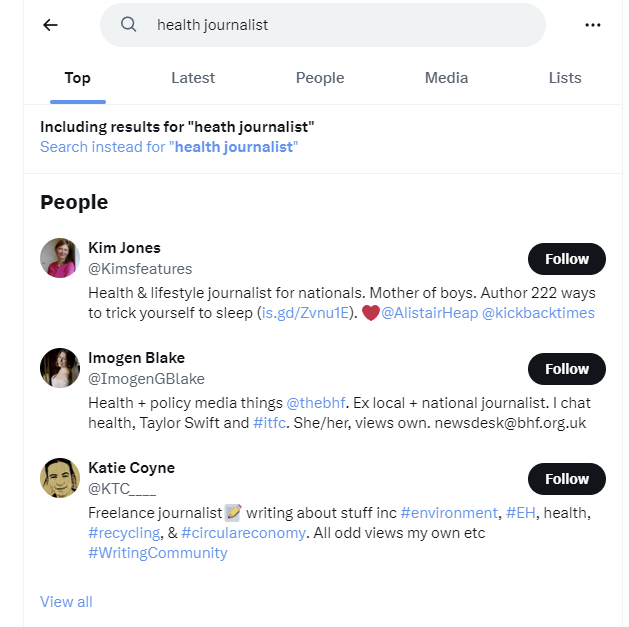
- Follow and engage with website owners and journalists on social media platforms like Twitter/X, LinkedIn or industry-specific forums. Share their content, comment on their posts and participate in discussions to establish your presence and credibility.
- Offer to write high-quality guest posts for relevant websites or publications. This not only provides value to their audience but establishes you as an authority in your field, too, making it more likely for them to link back to your website or content in the future or reach out to you when they need a comment or story related to your area of expertise. Just make sure the post is genuinely useful to their readers. Google’s spam policies specifically call out guest posts stuffed with keyword-rich links.
- Pitch exclusive content ideas, data-driven research or interview opportunities to journalists or website owners. This can make your outreach more appealing and increase the chances of receiving a backlink in exchange for exclusive content.
- If you have existing connections or customers who have relationships with website owners or journalists, leverage those connections to get introduced and increase the likelihood of a successful outreach.
- Attend conferences, meetups and industry events where you can network with website owners, bloggers and journalists in your niche. Building face-to-face connections increases the chances of securing backlinks and fostering long-term relationships.
Building relationships with website owners and journalists improves your chances of acquiring high-quality backlinks and helps establish your brand’s credibility and authority within your industry.
By providing value, engaging consistently and fostering genuine connections, you can turn these relationships into long-term support for your link-building and digital marketing efforts.
You might even make some friends along the way, too.
This relationship-first approach is the heart of digital PR, which is how we earn most of the links for our clients.
Create Reusable Content Assets
Creating high-quality, engaging content is key for successful link-building campaigns.
It’s a nice thought, but realistically, producing lots of new content from scratch can be time-consuming and resource-intensive. This is where the concept of reusable content assets comes into play.
Reusable content assets are pieces of content, such as articles, videos, infographics or other multimedia elements, that can be repurposed and utilised across multiple platforms and campaigns.
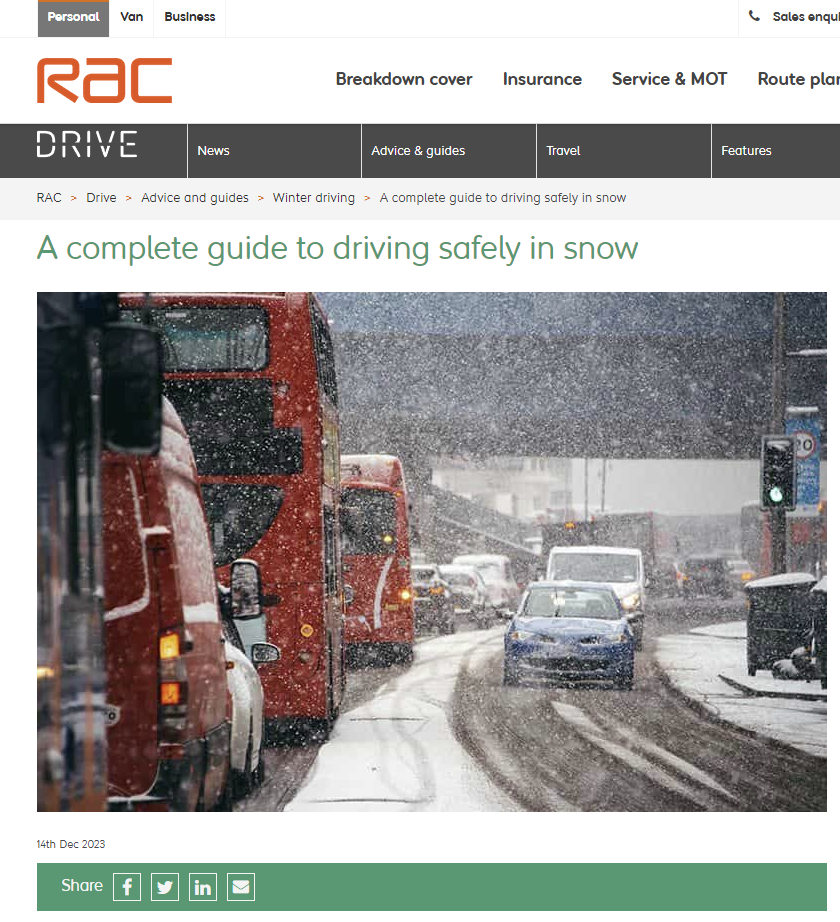
By creating timeless, evergreen content assets, you can continue to leverage them for link-building opportunities over an extended period, maximising their long-term value.
This will save you time and money while keeping your messaging consistent across various platforms and getting you those all-important links.
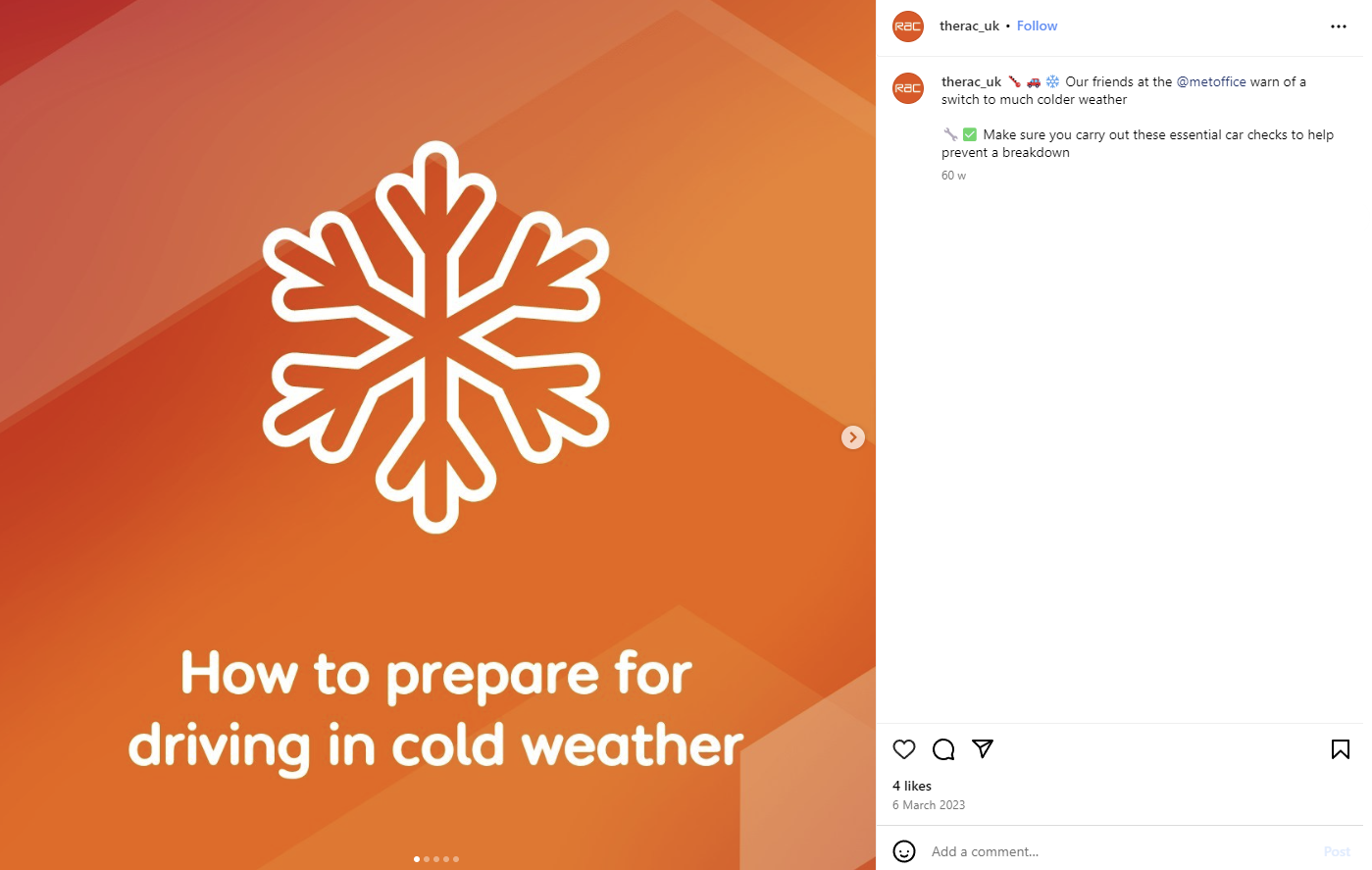
Improve on Content That Already Earns Links
One of the quickest ways to find a content asset worth creating is to look at what’s already earning links in your industry. This is often called the skyscraper technique.
Use a backlink tool to find pages on your topic with lots of links pointing to them. Then ask: what’s missing? Could the data be more up to date, the guide more practical, or the examples more relevant to a UK audience? If you can make something better, you have a natural reason to contact the sites linking to the original and show them your version.
The key word is better. A slightly longer copy of someone else’s article won’t impress anyone. You need something that’s genuinely more useful to the people you’re pitching.
Reclaim Unlinked Brand Mentions
Some of the easiest links you’ll ever build are from sites that have already written about you. If a publication mentions your brand, product or a spokesperson but doesn’t link to you, a polite email asking them to add the link often does the trick. They already know who you are, so you’re not starting from scratch.
Set up Google Alerts for your brand name, key people and products so you hear about new mentions quickly. Then check whether each one includes a link.
Our Digital PR team’s rule of thumb is to always chase an unlinked mention, unless doing so would damage the relationship. For example, if a publication has a policy of not linking without payment, or you agreed a brand mention only, leave it. A long-term relationship with a journalist is worth more than one link.
It’s also worth knowing that unlinked mentions still have value on their own. As we cover in our guide to digital PR, AI tools can recognise your brand from a mention even without a link.
Find and Replace Broken Links
Websites in your industry almost certainly link to pages that no longer exist. Broken link building turns that into an opportunity.
Use a crawler or backlink tool to find broken outbound links on relevant sites, or find a dead page in your niche and see who’s still linking to it. If you have (or can create) content that does the same job, let the site owner know their link is broken and suggest yours as a replacement.
It works because you’re helping before you ask for anything. Nobody wants broken links on their site, and you’ve just saved them the job of finding a replacement.
Get Listed on Resource Pages
Lots of websites keep curated lists of useful tools, guides and organisations for their readers: universities, trade bodies, local councils and industry blogs, for example. These resource pages exist to link out, so they’re a natural fit for quality link building.
Find them with simple Google searches that combine your topic with phrases like “useful resources”, “helpful links” or “recommended reading”. Only pitch content that genuinely belongs on the list. A free guide, calculator or piece of original research will get a much better response than a sales page.
Work with an Agency or Expand Your Team
To build quality backlinks at scale, you’ll need more people on your team.
These marketers should have content marketing experience and digital PR experience.
Quality, creative content is the key to building links. The more quality content you have to pitch, the more likely you’ll get links.
If you aren’t in a position to expand your team, working with a digital marketing agency working with a link building agency could be a good fit for your business.
There are lots of benefits to hiring additional marketers or working with an agency, including:
- Increased Capacity: Agencies and larger teams have more resources and manpower to handle link-building campaigns at a larger scale. This means you can pursue more link opportunities and build backlinks faster.
- Expertise and Specialisation: Digital marketing agencies employ professionals who are experienced in various link-building tactics like guest posting, resource page link building and more. They stay updated with the latest trends and best practices in the industry. The same goes for digital PR or content professionals.
- Established Relationships: Digital marketing agencies and digital PR or content professionals often have relationships and contacts with high-quality websites and publishers, making it easier to secure valuable backlinks.
- Diverse Strategies: A team member or agency can implement a diverse range of link-building strategies simultaneously, such as content marketing, influencer outreach, public relations and more, leading to a more well-rounded and effective link profile.
- Scalable Processes: Digital marketing agencies and larger teams typically have established, streamlined processes for identifying link opportunities, conducting outreach and acquiring backlinks, which helps with the easy scaling of link-building campaigns.
- Reporting and Analytics: Digital marketing agencies and teams often provide detailed reporting and analytics on the performance of your link-building efforts, including metrics like traffic and rankings, which can help you make data-driven decisions.
- Freeing Up Internal Resources: By outsourcing link building to a digital marketing agency or dedicated team, you can free up your internal marketing resources to focus on other critical aspects of your business.
It’s important to carefully vet and choose a quality agency or hire experienced professionals, as low-quality or spammy link-building practices can potentially harm your website’s rankings and reputation. Remember — if it sounds too good to be true, it probably is.
Competitor Research
Understanding what your competitors are doing to build links not only helps you see what you’re up against but also shows you what works well in your industry (and what doesn’t).
By carefully analysing your competitors’ link profiles and backlink sources, you’ll get insights to help supercharge your link-building efforts.
Reviewing the sites linking to your competitors will show you which publications are interested in businesses like yours without needing to seek them out from scratch. It’ll also help you see which link-building tactics are successful; for example, one publication often links back to infographics, whereas another uses a lot of expert comments.
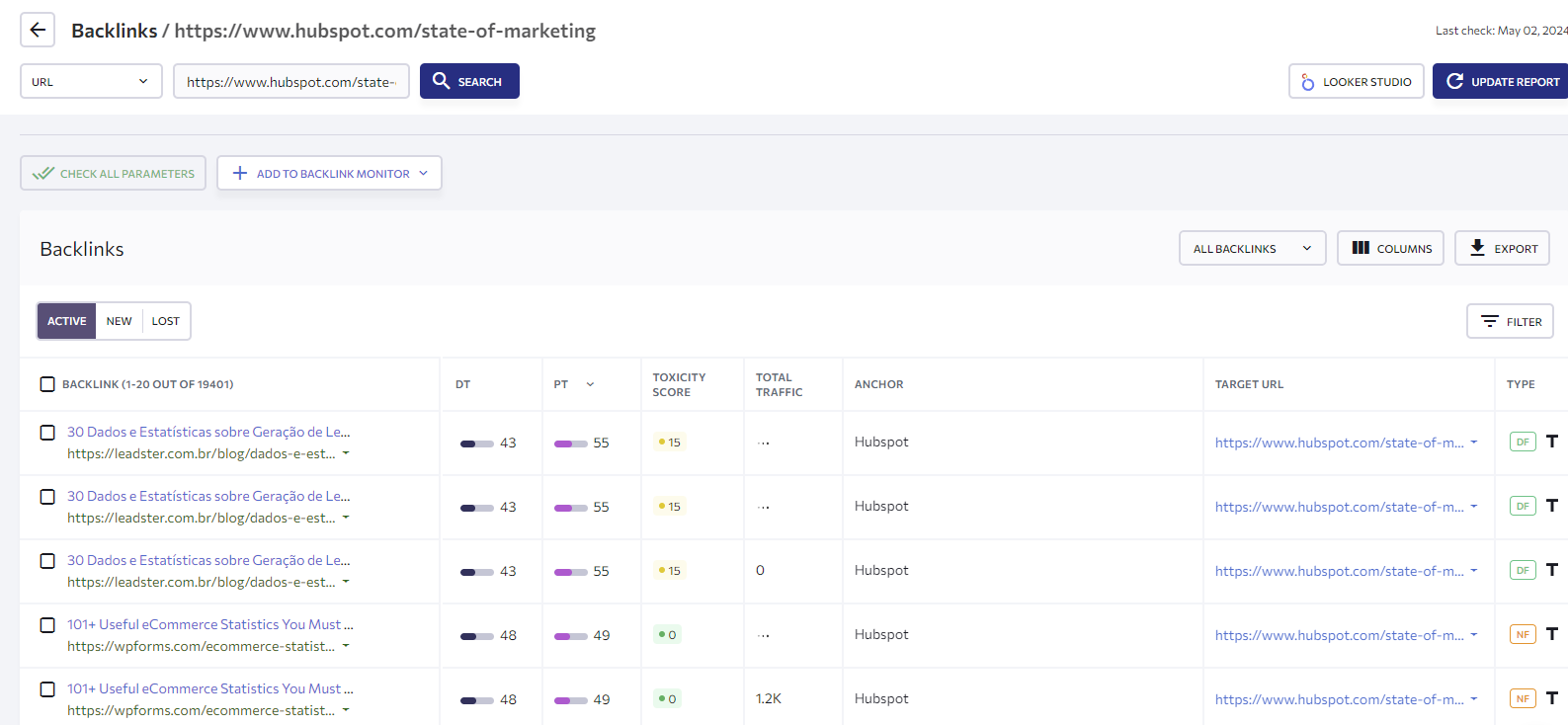
Analysing your competitors’ backlink profiles can also help you see where there are content gaps that publications will snap up as guest posts. Perhaps no one is talking about topics that you know are relevant to your audience and the industry, and you can fill that gap.
It’s important to note that while competitor research is invaluable, it should never lead to outright copying. Use the insights gained as inspiration and guidance, but always strive to create unique, high-quality content and employ ethical link-building practices.
AI and Building Links at Scale
AI can assist you with link-building, but it shouldn’t be doing the bulk of the work.
It’s tempting to create loads of content using AI and send AI-generated emails in the hopes you will get more links.
But anyone can do this. It’s becoming easier than ever to create content in bulk in an attempt to get backlinks.
Get inside the heads of the journalists and publications you want to link back to your work or use your expert comment. They want to use quality content, not something they could have generated themselves using AI.
We’re not saying you shouldn’t use AI at all, though.
AI can be used to:
- Help you outline content
- Help you brainstorm content
- Help you draft initial emails to websites, publishers and journalists.
Just don’t rely on it too heavily. Journalists and website owners get hundreds of daily emails about guest posting and backlinking. They’ll be able to spot fully AI-generated emails and content a mile off.
The Quality Link Building Checklist
To make sure that your scaling efforts result in quality rather than quantity backlinks, there are a few points you need to check each time you’re going after a link.
Quality Content
We’ve said it before, but we’ll say it again (and again). Creating top-notch, valuable content is the foundation of any successful link-building campaign. Without compelling, informative, and well-crafted content, you’ll struggle to attract authoritative backlinks. Here’s what you should focus on:
Relevance
Ensure your content is highly relevant to your target audience and industry, as well as the publication you’re trying to get backlinks from.
Conduct thorough keyword research, understand your audience’s pain points and interests and craft content that directly addresses their needs and queries.
Relevant content is more likely to resonate, get shared and earn those coveted backlinks from relevant, high-quality sources.
This point also applies to the publications you want to be featured in. It’s better to build links to websites that are relevant to you. Not only will you get a link, but you’re likely to get referral traffic from them, too.
Authority
Strive to establish yourself as an authoritative voice in your niche. Thoroughly research your topics, cite credible sources, speak to experts and provide unique insights and perspectives that showcase your expertise.
Authoritative content is more likely to be perceived as link-worthy by other industry leaders and influencers and will help you climb the search rankings even if you only have a few links.
Again, this point applies to the sites you’re building links from, too. The publications you target in your link-building strategy should also be authorities in your niche.
Natural Placements
While it’s tempting to seek out every and any link opportunity (especially when you’re scaling), prioritise natural, contextual placements.
Look for ways to seamlessly integrate your links within relevant content on reputable websites. Forced or spammy link placements can harm your reputation and may even lead to penalties from search engines.
Always aim for a natural, organic fit. It will benefit you more in the long run.
Anchor text
Pay attention to the anchor text (the clickable text portion of a link) when acquiring backlinks.
Ideally, you want a healthy mix of branded anchor text (e.g., “YourBrand.com”), naked URLs (e.g., “https://yourbrand.com”), and relevant, descriptive anchor text (e.g., “best content marketing strategies”).
Overusing exact-match keywords as anchor text can be seen as manipulative by search engines and may trigger spam filters, dropping you down those all-important search rankings.
Within Google’s Rules
Scaling is exactly when shortcuts start to look tempting, so it’s worth knowing where the line is. Google’s spam policies define link spam as creating links “primarily for the purpose of manipulating search rankings”. That includes:
- Buying or selling links for ranking purposes, including swapping goods or services for links.
- Excessive link exchanges (“link to me and I’ll link to you”).
- Using automated programs or services to create links.
- Keyword-rich links in guest posts, advertorials or press releases distributed on other sites.
- Low-quality directory or bookmark site links.
Paid placements aren’t banned outright. They just need to be marked with rel=”sponsored” (or rel=”nofollow”) so they don’t pass ranking credit. If a supplier is offering you dofollow links for a fee, that’s a red flag.
Measuring Success
Measuring success is important when scaling your link-building strategy to ensure your efforts are getting you results. Here are some key metrics to track and analyse:
Backlink Growth Rate
Keep a close eye on the rate at which you’re acquiring new backlinks over time. A steady, sustainable growth rate is ideal, as spikes or sudden drops could indicate issues with your tactics or outreach methods. Use tools like Ahrefs, Semrush, or Moz to monitor your backlink profile.
Organic Traffic Increase
Ultimately, the goal of link building is to improve your website’s visibility and organic search rankings. Monitor your Google Analytics data to track increases (or decreases) in organic traffic over time, segmenting by landing pages to identify which pieces of content are driving the most referral visits.
Referral Traffic Increase
Backlinking doesn’t just help with your organic search rankings but also helps to drive qualified traffic from relevant websites. When link-building is done right, people who come across your brand through a backlink on a site they’re reading are more likely to visit your site, too.
Conversion Rates
While not directly linked to link building, tracking conversion rates from organic search traffic can reveal whether the increased visibility is translating into tangible business results, such as leads or sales.
Brand Mentions and AI Search Visibility
Count the mentions you earn, not just the links. Then track whether your brand is appearing more often in AI Overviews and tools like ChatGPT for the topics you care about. AI visibility tracking tools can show this over time.
Remember, no single metric tells the whole story. It’s crucial to look at the bigger picture and analyse these metrics collectively to gauge the true impact of your link-building strategy. Regular data analysis will allow you to continuously optimise your tactics and ensure you’re on the path to sustained success.
How Quality Links Support AI Search Visibility
Links and mentions don’t just help you rank on Google. They’re also part of how AI tools like ChatGPT and Google’s AI Overviews work out which brands to trust and recommend.
“Today, brand mentions, even without hyperlinks, are powerful trust signals, especially in AI Search,” says Charlie Marchant, CEO of Exposure Ninja. “Large language models (LLMs) don’t need a clickable link to understand who you are.”
That’s why the quality of where you’re mentioned matters more than ever. A handful of links from publications your audience trusts does far more for you than hundreds from sites nobody reads.
We saw this with renewable energy installer Elite Renewables. Our expert comment campaign secured 14 backlinks in a single month, with placements in publications including Mirror, Ideal Home, Go Banking Rates and Homes & Gardens. Over the campaign, their Domain Authority rose from 13 to 28, and their AI Overviews link presence grew from 67 to 260 between August 2025 and January 2026.
If AI visibility is a priority, building links and mentions should sit alongside your wider AI Search Optimisation strategy.
Link Building at Scale
We’ve covered how to scale your link building while keeping quality high: building relationships with website owners and journalists, creating reusable content assets, reclaiming unlinked mentions, broken link building, resource pages and using AI responsibly.
Remember, prioritise relevance, authority and natural placements. Search engines and audiences can spot spammy, irrelevant links easily.
Don’t hesitate to invest in expanding your team or partnering with a capable digital marketing agency. Dedicated professionals can significantly boost the execution of your scalable link-building strategy.
Link building requires perseverance. With the right approach, tactics, and commitment to quality, you can build an authoritative backlink profile that drives tangible results.
Stay focused, implement these strategies, and steadily build high-quality backlinks to conquer the digital landscape.
Want a team to do it for you? Find out how our digital PR and link building services could help, or book a consultation to talk it through.
What to READ Next
- How to Get Qualified B2B Leads Using SEO
- How to Triple Your Website Traffic
- What Is Digital PR? The Complete 2026 Guide
- How to Optimise Each Page of Your Website
What to WATCH Next
What to LISTEN To Next
- How to Do Local SEO for Multiple Locations
- Copy This UNBEATABLE SEO Strategy in 2024
- Why Digital PR is the FUTURE of Search
FAQs
What is high-quality link building?
High-quality link building is earning links from relevant, trusted websites because they genuinely want to share your content with their readers. Good links come from sites your audience reads, sit naturally within the content, and aren’t paid for or swapped. They help your rankings and can send you valuable referral traffic too.
How many backlinks do I need?
There’s no set number. It depends on how competitive your industry is and how many quality links the sites you’re competing with have. A few links from respected, relevant publications are usually worth far more than lots of links from low-quality sites. Competitor research will show you what you’re up against.
Is it safe to buy backlinks?
Buying links to influence your rankings is against Google’s spam policies and can damage your visibility. If you do pay for a placement, such as a sponsored article, the link should be marked with rel=”sponsored” so it doesn’t pass ranking credit. Our podcast on whether you should buy backlinks covers this in more detail.
Do backlinks still matter for AI Search?
Yes. Links and brand mentions from trusted publications help AI tools like ChatGPT and Google’s AI Overviews understand who you are and whether to recommend you. Unlike Google rankings, AI tools can recognise your brand from a mention even without a link, so earning coverage in the right places matters as much as the link itself.
What’s the difference between link building and digital PR?
Link building is any activity aimed at earning links to your site. Digital PR is one way of doing it: creating stories, data and expert comment that journalists want to cover, which earns links and brand mentions as a result. Our guide to what digital PR is explains it in more detail.