58% of Google Clicks Are Gone. What Now?

Picture this: your potential customers type their questions into Google, get perfect answers instantly, and never click a single link to your website.
Sound like a nightmare? For many marketers, it’s becoming reality.
The Daily Mail’s SEO director calls the trend “pretty shocking.” The Bauer Media’s Global SEO Director goes further, predicting “the end of the era of the link-based web.” These aren’t fringe voices—they’re seasoned professionals watching their traffic evaporate in real time.
But here’s the thing: whilst content sites scramble to save their affiliate commissions, smart product-based businesses are quietly turning this disruption into their biggest opportunity yet.
The same zero-click search that’s destroying traditional content marketing is creating unprecedented advantages for companies that know how to play the new game.
Executive Summary
Zero-click searches — where users get answers without clicking any links — now account for 58.5% of all US searches, more than doubling since 2022. This shift threatens content-based business models but creates massive opportunities for product and service providers.
The core insight: People still need to buy things. They just research differently now.
Your opportunity: Position your brand as the recommended solution in AI-powered search results, capturing high-intent customers at the moment of decision.
The strategy: Master three types of zero-click optimisation — getting featured in AI answers, dominating third-party mentions, and capturing clicks when purchase intent peaks.
The Scale of the Zero-Click Revolution
The numbers tell a stark story. Back in 2022, roughly 25.6% of desktop searches in the US resulted in zero clicks. Today? That figure has rocketed to 58.5%, according to SparkToro’s latest research.
This isn’t a gradual shift — it’s a seismic change happening in real time.
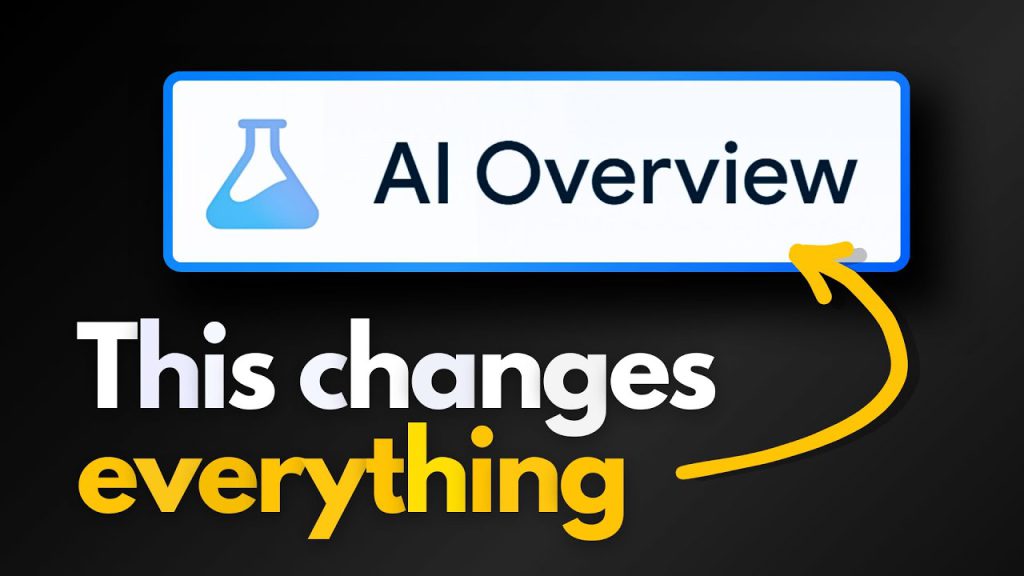
Google is doubling down with AI Overviews appearing in more search results, and they’re even testing “AI Mode” — essentially making AI Overviews the primary search experience. The writing isn’t just on the wall; it’s in neon lights.
Media companies are watching their business models crumble. When users get complete answers without clicking through to websites, affiliate commissions disappear. Content sites that built empires on capturing search traffic are staring at an existential crisis.
But this panic reveals a crucial misunderstanding about what’s actually happening.
The Three Types of Zero-Click Search You’re Fighting
Not all zero-click searches are created equal. Understanding the differences determines whether you see this as a threat or an opportunity.
Direct Answer Features — These handle simple queries like “What’s the weather today?” or “What’s the phone number for…?” Google pulls the information directly from structured data and presents it immediately. There’s minimal commercial intent here — users just want quick facts.
Featured Snippets — Google lifts content from web pages and displays it prominently in search results. These have actually become less common recently, largely replaced by the third type.
AI Overviews — This is where the real action happens. Google’s AI synthesises information from multiple sources to create comprehensive answers. It’s also where the biggest opportunities lie for smart marketers.
The key insight? AI Overviews don’t eliminate the need to make purchases — they just change how people research before buying.
Who Actually Loses in Zero-Click Search
Let’s be brutally honest about who gets hurt in this transition.
The biggest losers aren’t the companies selling products — they’re the middlemen who built businesses on capturing and redirecting search traffic.
Take MoneySuperMarket’s “how to open a bank account” content. Their entire model depends on:
- Ranking for informational searches
- Getting users to read their content
- Converting readers into commission-generating clicks to banks
When AI Overviews answer the “how to” question directly, steps 1 and 2 disappear. MoneySuperMarket loses the traffic that funds their business model.
But here’s what’s crucial: people still need to open bank accounts. The demand doesn’t evaporate — it just bypasses the affiliate middleman.
This is why content sites and media companies are panicking whilst product companies should be optimising.
How Product-Based Businesses Can Actually Win
The secret lies in understanding that AI Overviews don’t eliminate purchase decisions — they accelerate them.
Consider this search: “best spurge weed killer.” The AI Overview provides comprehensive information about different products and their effectiveness. But here’s the critical point — the user still has weeds that need killing.
One of our clients, Golf Course Lawn, appears prominently in these AI Overviews. When users see the recommended product (Celsius WG) and want to purchase it, they click through to Golf Course Lawn’s website to complete the transaction.
The visibility strategy worked perfectly.
Even more impressive is our client Zugu Case. Search for “recommend me an iPad Air case” and watch the magic happen — AI tools consistently recommend Zugu as the top choice. This isn’t luck; it’s the result of systematic optimisation across multiple touchpoints.
Our largest client (whom we can’t name) has seen a 35% increase in AI-powered visibility in just six months. This is a company with significant existing SEO success, still achieving massive growth during AI disruption.
The lesson? AI search doesn’t eliminate sales — it changes who captures them.
The Purchase Funnel Still Exists (It’s Just Different Now)
Think of search intent as a funnel, but with new rules for each level.
Top-Funnel Searches — Queries like “What is a weed?” or “What is grass?” will be dominated by AI Overviews. Users want quick answers with zero commercial intent. Don’t waste resources fighting for these.
Middle-Funnel Searches — “What are the different types of weeds?” or “What’s this weed in my lawn?” represent learning and research behaviour. Users are moving towards a purchase decision but aren’t ready yet.
This is where you can influence AI Overviews with strategic content. If your expertise shapes these answers, you’re positioning yourself for the eventual purchase.
Bottom-Funnel Searches — “What’s the best product for spurge weeds?” or “Spurge weed killer comparison” signal immediate purchase intent. These users have identified their problem and are ready to buy.
This is where you need to dominate. These high-intent searches still generate clicks because users need to complete transactions.
Your Three-Step Zero-Click Optimisation Strategy
Step 1: Get Featured in AI Answers
This starts with classic SEO fundamentals — great content, strong technical optimisation, and authoritative backlinks. But AI Overviews have specific preferences:
- Structured information that’s easy to extract
- Comparative content that helps users make decisions
- Statistical data and factual claims with citations
- Clear headings that break down complex topics
Zugu Case’s success demonstrates this perfectly. They rank positions 2 and 4 for “best iPad cases” through excellent SEO, then get featured in AI Overviews because their content is perfectly structured for AI consumption.
Step 2: Dominate Third-Party Mentions
AI tools don’t just crawl your website — they synthesise information from across the internet. Getting mentioned in high-authority publications dramatically increases your chances of AI recommendation.
This requires strategic digital PR:
- Product reviews in industry publications
- Expert roundups where you provide commentary
- Comparison articles that feature your products
- Best-of lists on authoritative websites
The goal isn’t just backlinks — it’s creating a web of mentions that AI tools consistently encounter when researching your market.
Step 3: Capture the Click When It Matters
When users move from research to purchase, they still need to visit websites. Your job is ensuring it’s your website they visit.
This means: • Optimising product pages for bottom-funnel searches • Creating comparison content that positions you favourably • Building purchase-focused landing pages that convert AI-driven traffic • Ensuring your e-commerce experience is frictionless for motivated buyers
The businesses mastering this strategy are seeing remarkable results while their competitors panic about traffic drops.
Next Steps
Your zero-click optimisation strategy should begin immediately. Here’s your 90-day action plan:
Week 1-2: Audit Your Current Position
- Identify which of your target keywords trigger AI Overviews
- Analyse which sources AI tools cite for your key topics
- Document your current rankings for bottom-funnel purchase terms
Week 3-8: Content Optimisation
- Restructure existing content for AI-friendly formats
- Create new comparison and buyer’s guide content
- Develop statistical and factual resources that AI tools love to cite
Week 9-12: Authority Building
- Launch digital PR campaigns targeting publications that appear in AI Overviews
- Develop expert commentary and thought leadership content
- Build relationships with journalists covering your industry
Month 4+: Scale and Refine
- Monitor AI Overview appearances and adjust strategy
- Expand successful content formats across more keywords
- Continue building third-party authority through consistent PR efforts
Remember: this isn’t about replacing traditional SEO — it’s about evolving your strategy for the new search landscape.
In Conclusion
The 58% of clicks that have disappeared aren’t coming back. The era of building content solely to capture and redirect search traffic is ending.
But here’s what the doom-and-gloom predictions miss: people still buy things. They still need solutions to their problems. They still make purchase decisions.
Zero-click search simply changes who influences those decisions.
The companies thriving in this new landscape aren’t the ones optimising content farms for irrelevant long-tail keywords. They’re the ones ensuring their products and services get recommended when people are ready to buy.
This is a different approach — a new digital marketing strategy that most businesses haven’t even considered yet. There will be clear winners and losers in this transition.
The losers will be the ones complaining about traffic drops whilst clinging to outdated content marketing tactics.
The winners will be the ones who recognise this opportunity, position themselves as the recommended solution in AI-powered search results, and capture the sales that still need to happen.
The choice is yours. You can either mourn the old system or master the new one.
But choose quickly — whilst you’re deciding, your more adaptable competitors are already building their zero-click dominance.
Watch This Next
AI Search Optimisation marks the biggest shift in digital marketing since Google’s rise, transforming the game from “ranking in results” to “being recommended by AI.”
Success requires a three-pillar approach—strong SEO foundations, AI-optimised content, and strategic sentiment management—with early adopters already seeing dramatic increases in AI mentions within months.
This isn’t about replacing your current strategy but evolving it for a world where AI assistants increasingly drive purchasing decisions. The businesses that act now, while competitors cling to yesterday’s tactics, will capture tomorrow’s customers—the revolution has begun, and the only question is whether you’ll lead it or watch from the sidelines.
To learn more about how AI Search works and how to do it effectively for your business, watch this video: What is AI Search Optimisation (and How To Do It)