
Interactive Content Explained (With Real Examples)


Interactive content isn’t just a trend. It’s a proven way to boost engagement, drive conversions, and deliver real value to your audience. In this guide, we explore what interactive content is, why it works, and five high-performing formats (with real examples) to generate serious results.
Content marketers are ramping up the interactivity of their content.
It’s not because interactive content is fun or looks flashy; they’re doing it because it delivers results.
This type of content gets more clicks, earns trust faster, and converts curious visitors into qualified leads. Whether it’s a mortgage calculator that simplifies decision-making or a quiz that guides users to a personalised product, interactivity makes your content more useful and your brand more memorable.
We’ll show you why interactive content should absolutely be part of your content strategy this year and five types that deliver real-world results, with examples from brands like The Ordinary, Airbnb, IKEA, Personal Injury Law Firm, and DSLD Mortgage.
What Is Interactive Content?
Interactive content is any piece of digital content that invites the user to actively participate — to click, type, swipe, or make a choice.
Unlike static content, like blog posts, PDFs, or explainer videos, interactive content is dynamic and responsive. It adapts to the user’s actions in real-time and offers tailored outcomes or insights based on what they enter or choose.
Think of it as a conversation, not a monologue. Instead of passively consuming information, users actively shape their experience, which creates a more engaging and personalised journey.
Why Interactive Content Belongs in Your Content Strategy
Win Organic Visibility and Backlinks
Want to rank higher on Google and gain more traffic? Content helps — but it’s not just about keyword optimisation anymore.
Google rewards content that’s genuinely useful. Pages that solve specific problems, deliver clear answers, and keep users engaged tend to outperform generic content. Interactive assets like calculators, quizzes, and maps tick all those boxes.
These tools naturally boost important SEO signals. They increase time on the page and encourage users to engage more deeply with your site, all of which tells Google your content is worth ranking.
But the benefits don’t stop there. Interactive assets are also incredibly linkable. Helpful, original tools often get picked up by journalists, bloggers, and niche sites who want to enhance their own content with a valuable external resource.
Because interactive tools are typically evergreen, they continue to attract both traffic and backlinks long after they’re published, making them one of the smartest investments in your long-term SEO strategy.
But don’t just create an interactive asset for the sake of ranking or backlinks. Tim Cameron-Kitchen, Founder of Exposure Ninja, highlights: “The most important thing is to make sure the interactive content actually makes sense and is useful for your audience.”
Boost Engagement
Content in interactive formats gives users a reason to stick around.
Quizzes, calculators, interactive videos, and assessments don’t just attract attention — they hold it. Instead of skimming or bouncing, users are actively involved: clicking, exploring, answering questions, and uncovering personalised results. That kind of engagement creates a richer, more memorable experience.
This deeper interaction benefits your search rankings. Metrics like time on page, scroll depth, and session duration signal to Google that your content is valuable and worth promoting. When users stay longer and interact more, your site sends stronger engagement signals, which can lead to higher visibility in search results.
Higher engagement isn’t just good for SEO — it’s good for business. The more time people spend interacting with your content, the more familiar and comfortable they become with your brand. That familiarity builds trust — and trust drives conversions.
Demonstrate Value and Build Trust Quickly
People trust brands that help them, not just sell to them.
Take a mortgage lead, for example. Potential customers might not be ready to speak to your sales team, but they will use a calculator to estimate what they can afford or take a quiz to find the right loan product. At that moment, they’re getting something useful without pressure — and your brand becomes the helpful expert, not the pushy vendor.
This kind of interaction builds trust fast, especially in industries where decisions are complex or high-stakes, like finance, healthcare, and B2B services. When users see your content working for them before they’ve spent a pound, it positions you as credible, competent, and worth doing business with.
Capture Leads and Drive Conversions
Interactive assets aren’t just a way to keep users engaged — they can be a powerful conversion driver when done strategically.
Instead of pushing users toward a form the moment they land on your site, interactive tools guide them through a more personalised journey. Quizzes, product selectors, calculators, or self-assessments offer tailored value first, then present a clear next step — like signing up, booking a call, or making a purchase.
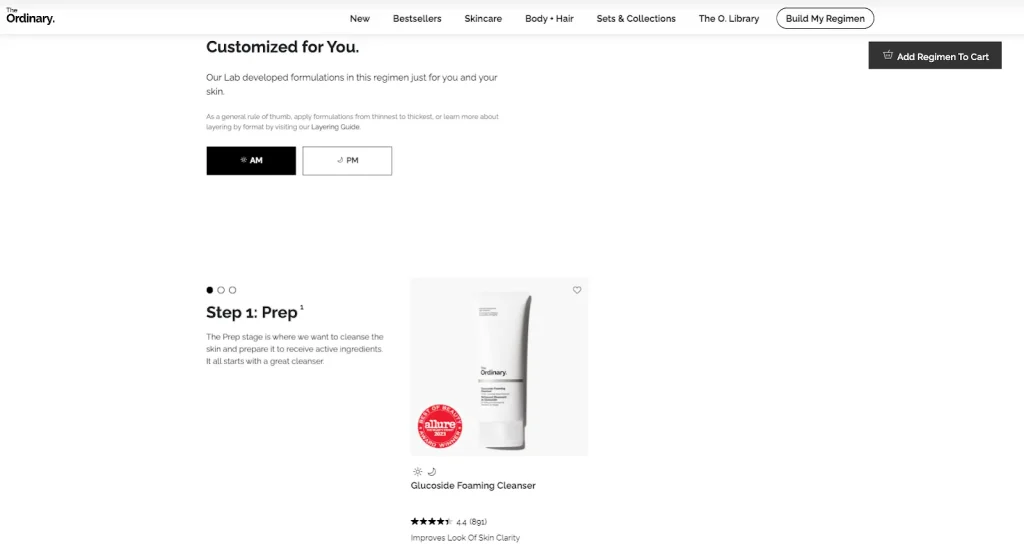
Take The Ordinary’s “Build My Regimen” tool as an example. It asks users to select their skincare concerns and experience level, then generates a customised product routine based on their input. Not only does it keep users engaged, but it also builds trust by simplifying decision-making and gently nudges users toward relevant products.
When you make conversion feel like a helpful next step instead of a hard sell, more users say yes.
Interactive content, like calculators, interactive maps, assessments, and quizzes — basically things your users can play with and get customised results from — can be really engaging and keep people’s interest, but it can also recommend to them particular products and services of yours.
 Tim Cameron-Kitchen
Founder
Tim Cameron-Kitchen
Founder
Top 5 Types of Interactive Content That Deliver Results
Calculators
Calculators are one of the most effective types of interactive assets, especially for users facing high-stakes decisions.
They offer instant, personalised answers to typically complex questions that would otherwise require a consultation, a phone call, or a deep dive into technical information. Users get clarity fast, and brands position themselves as helpful problem-solvers rather than hard sellers.
Take the Personal Injury Calculator we built for our client, Personal Injury Law Firm. This tool helps users estimate how much they could be entitled to in a personal injury claim based on the type and severity of their injury.
If someone is using this tool, it’s likely because they’ve been in an accident and want to understand their legal and financial options — right now. That makes them a high-intent lead for Personal Injury Law Firm.
It also solves a major friction point. Most people have no idea what compensation they could be entitled to. This calculator gives them a starting point, helping them feel more informed and confident while naturally guiding them toward booking a consultation with the firm.
Tools like this also have a strong SEO upside. People are actively searching for “personal injury compensation calculator” or similar terms. Because many generative AI platforms currently struggle to handle region-specific legal nuances, users still turn to Google for answers, making this a perfect piece of content to capture that demand.
Maps
Interactive maps are ideal for businesses with location-based services, regional restrictions, or geographic eligibility requirements. Whether you’re defining delivery zones, service areas, or property qualifications, maps offer a clear, user-friendly way to help people self-qualify — without needing to call or sift through pages of content.
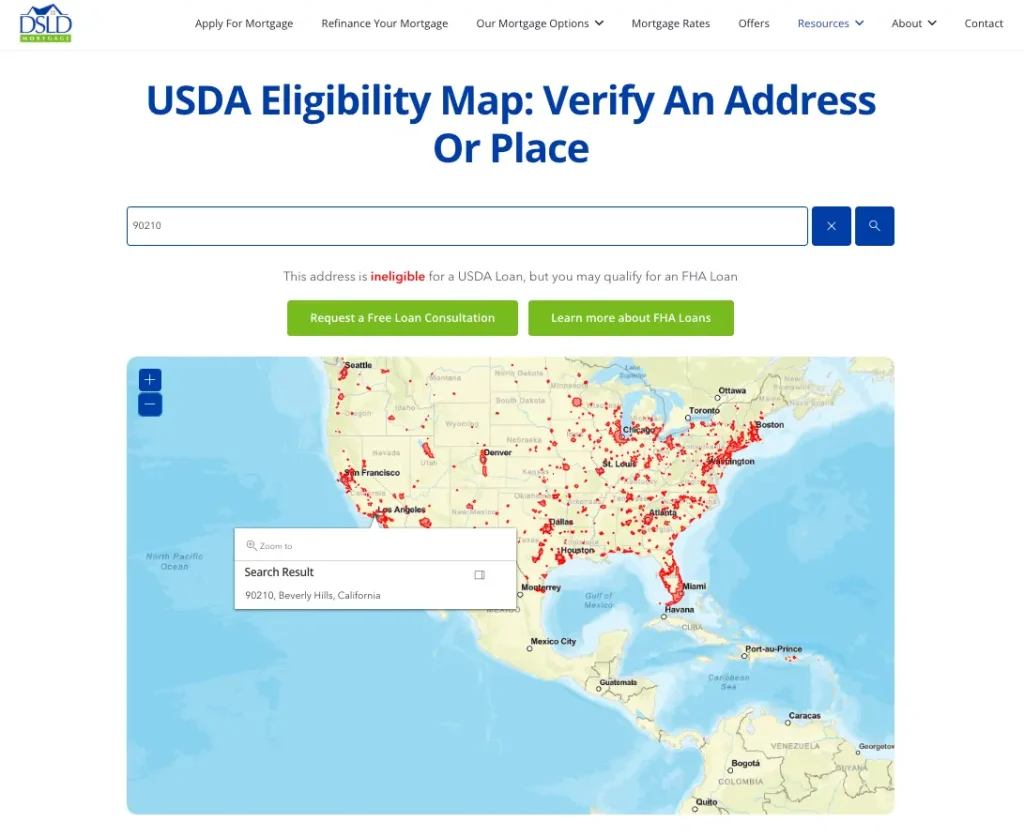
Take the USDA Eligibility Map we built for our client, DSLD Mortgage. USDA loans are available only in specific areas of the United States, and the average user doesn’t want to decode eligibility criteria from a PDF or long-form web page. So, we built them a map.
Users can simply enter their ZIP code and instantly see whether a location is eligible for a USDA loan. Red areas are clearly marked as ineligible, giving users a visual “yes/no” answer in seconds. For example, type in “90210”, and you’ll immediately see this area doesn’t qualify.
But the tool doesn’t just deliver quick answers — it drives next steps. If a user is in an eligible area, they’re prompted to request a free loan consultation. If not, they’re directed to explore other options like FHA loans. Either way, they’re staying on the site, learning about relevant mortgage options, and moving further along the buyer journey.
This kind of interactive content does more than improve UX — it targets high-intent traffic. People searching for terms like “USDA loan eligibility checker” are not casual browsers. They’re serious about buying a home. Because tools like this solve a specific, time-sensitive need, they attract visitors with strong commercial intent.
It also supports the broader content strategy. Whenever USDA loans are mentioned in blog posts or landing pages, we link users to this map, turning passive readers into active leads.
Quizzes
Who doesn’t love a quiz? They’re quick, engaging, and weirdly addictive, which is exactly what makes them such powerful tools in content marketing.
But quizzes aren’t just for fun. When used strategically, they become one of the most effective formats for audience segmentation, lead generation, and personalised recommendations.
A well-designed quiz can help diagnose a user’s pain point, recommend the right product or service, and gather valuable insights about preferences, goals, or buyer readiness. Marketers can then use this data to deliver more relevant follow-up content, emails, or offers, seamlessly moving users through the funnel.
They also act as soft conversion tools. Instead of hitting users with a hard sell, quizzes offer something entertaining and useful, with the option to receive results, tips, or product matches in exchange for an email. That’s a low-friction, high-value exchange.
Airbnb’s Travel Personality Trip Matcher is a perfect example of a quiz that combines user experience with business goals. Users answer a few questions about their travel style, and the quiz returns a set of suggested destinations tailored to their personality.

Quizzes like this are also highly shareable. People love sharing their results, which adds a layer of organic distribution that most static content can’t achieve. That means more traffic, more data, and more opportunities to convert.
Interactive Infographics
Infographics are already a great way to present complex information visually, turning data, processes, or timelines into clear, digestible visuals. But when you add interactivity, like hover effects, clickable elements, animations, or scroll-triggered content, you take that experience to the next level.
Interactive infographics boost engagement, comprehension, and shareability. They give users control over how they consume the content, letting them explore at their own pace. This keeps people on the page longer and increases the chances they’ll share or link to your content, which means better UX, stronger SEO signals, and more referral traffic.
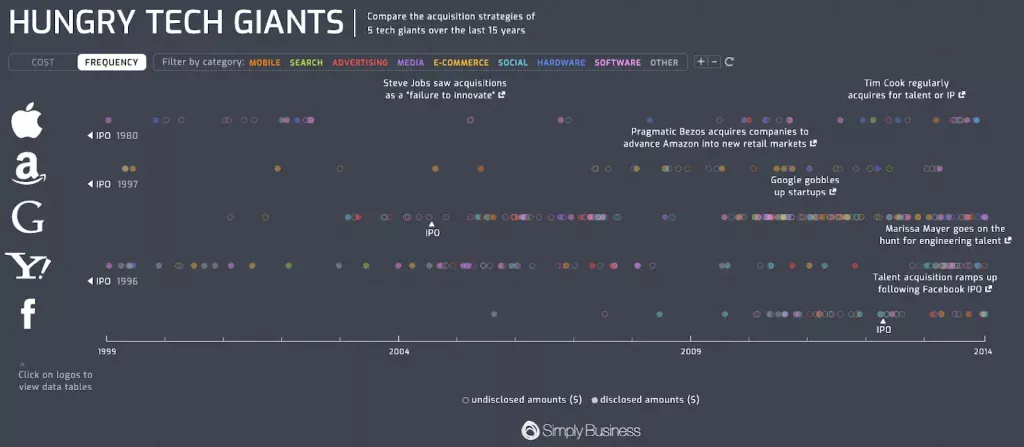
Simply Business nails this with its interactive “Hungry Tech” infographic. This interactive infographic visualises the acquisitions made by major tech companies like Apple, Google, and Amazon. Users can explore which startups were acquired, by whom, and when — all through a clean, interactive interface. It’s informative, data-rich, and easy to navigate, making it a great example of how to turn a static corporate trend into something genuinely engaging.
These types of infographics are ideal for showcasing trends, timelines, or market insights. They’re especially valuable for digital PR and link-building, as journalists and bloggers love to cite them in industry commentary and news coverage.
Interactive Videos
Interactive video transforms passive watching into active engagement. Instead of sitting back and letting the content play out, users are invited to click, choose, or explore — turning the video into a guided, personalised experience. This format is ideal for product demos, virtual tours, training, or any content where user input can shape the journey.
Common features include clickable hotspots, branching storylines, in-video shopping links, and step-by-step walkthroughs. These elements don’t just boost engagement — they help users retain more information and take meaningful next steps without leaving the video.
IKEA‘s interactive video allows viewers to explore a smart home setup by clicking on individual products throughout the video. Each click reveals more information or links directly to product pages, creating a seamless bridge between inspiration and purchase.
Engage and Convert with Smarter Content Creation
Interactive content is a smarter way to capture attention, deliver value, and convert leads.
But here’s the thing — it has to be done right. The best interactive asset is fast, helpful, and built with the customer journey in mind.
That’s where we come in.
At Exposure Ninja, we’ve seen interactive content drive consistent results across industries. Some of our most successful client campaigns combine targeted content creation with custom-built interactive tools designed to convert high-intent users into high-quality leads — all without aggressive selling.
Whether you need a custom calculator, quiz, or full-funnel content strategy that turns clicks into customers, our Ninjas can help. Simply request a callback, and we’ll happily talk about high-ROI content creation.
FAQs
What is interactive vs static content?
Static content delivers information without user input, like blog articles, PDFs, or videos you simply watch or read. Interactive content invites users to take part: to click, choose, calculate, or explore. Examples include quizzes, calculators, assessments, and maps that respond based on what the user does.
Does interactive content increase engagement?
Interactive content captures attention and keeps users actively involved, which naturally increases time on site and reduces bounce rates. Offering a personalised, hands-on experience makes your brand more memorable and encourages users to return, explore, and convert.
Is a white paper an example of interactive content?
Not usually. Most white papers are static. But if you embed interactive charts, calculators, or navigation tools inside them, they can become interactive.