How Google Ads Work in 2026 — And the Strategy That Actually Wins


Google Ads is more AI-driven and data-dependent than ever. Our PPC specialists explain how Google Ads work today and what businesses need to do to run high-performing, conversion-focused campaigns.
Google Ads has changed a lot over the past few years.
If you’re still running your Google Ads strategy like it’s 2020, there’s a good chance you’re wasting budget or missing out on serious ROI. Google Ads is smarter, more automated, and more data-hungry than ever before. This means the way you run and manage campaigns needs to change, too.
We sat down with two of Exposure Ninja’s PPC experts, Rebecca Pilkington and Sinead O’Brien, to break down how Google Ads work.
The Basics: How Google Ads Work
Google Ads is Google’s paid advertising platform that allows businesses to display ads across Google’s ecosystem. It’s designed to connect your business with potential customers the moment they’re actively searching for what you offer. Whether someone is typing “local accountant in Birmingham” or “cloud-based CRM for small businesses,” Google Ads puts your brand right in front of that intent.
The platform operates on a Pay-Per-Click (PPC) model, meaning you only pay when someone interacts with your ad, usually by clicking it. To determine which ads to show, Google uses an auction system. Each time a user performs a search, an automated auction runs instantly to determine which ads will appear, their placement on the page, and the price each advertiser pays per click.
A key factor in this is Quality Score, Google’s way of measuring how relevant and useful your ads and landing pages are to users. The higher your Quality Score, the lower your cost per click and the better your ad’s position.
Historically, Google Ads offered several campaign types tailored to different goals, such as:
Search Campaigns: Text ads that appear on Google’s search engine results pages (SERPs) when users search for specific keywords.
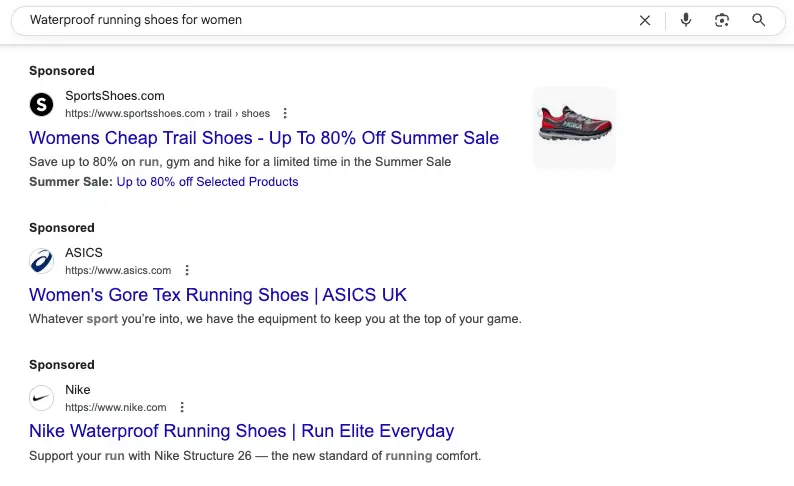
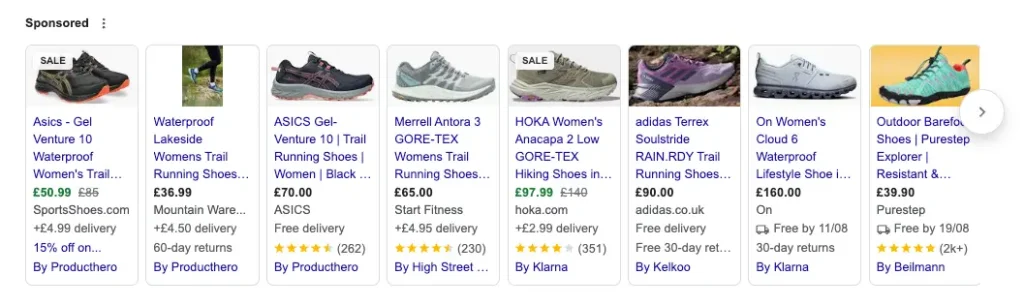
Shopping Campaigns: Product-based ads that showcase your inventory directly in Google Search and Shopping tabs.
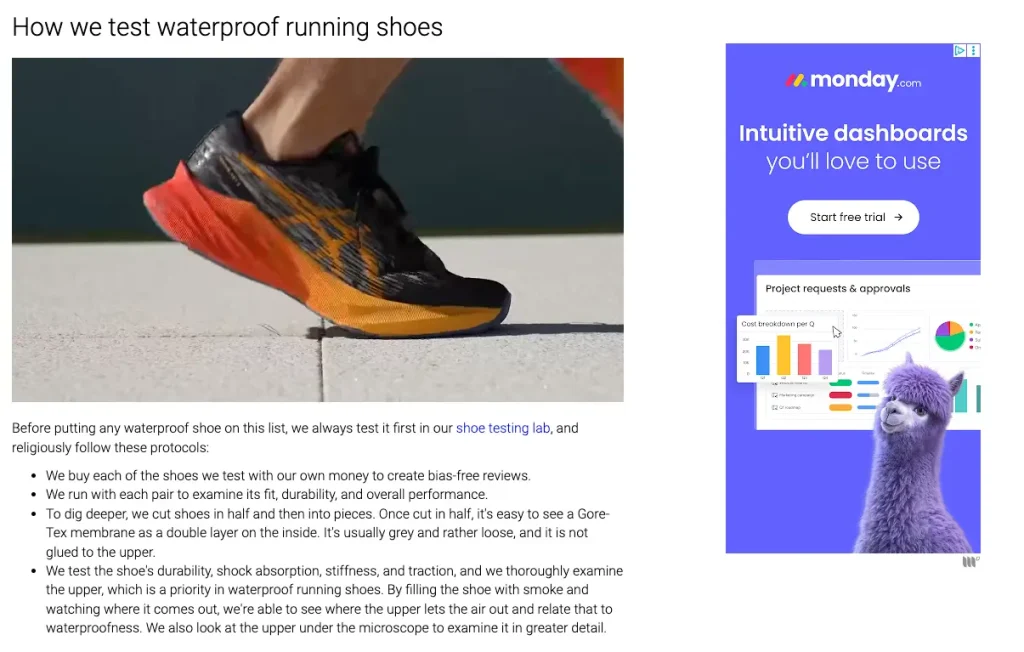
Display Campaigns: Visual banner ads that appear across a network of websites and apps that partner with Google.
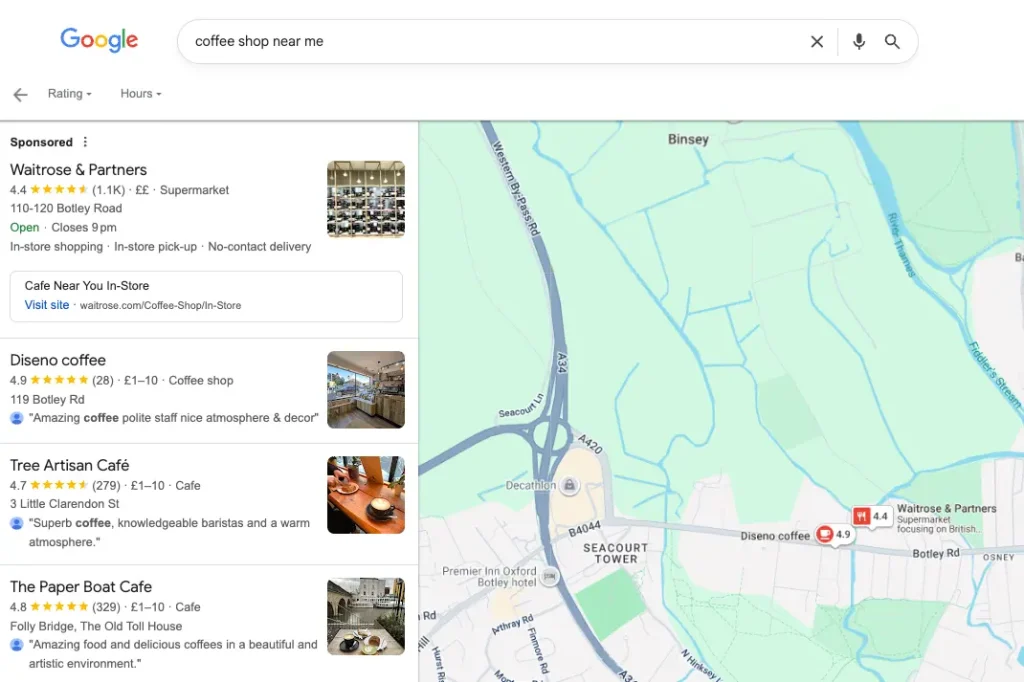
Local Campaigns: Help drive foot traffic to physical locations using Maps, Search, and more.
Each campaign type was manually built and optimised, requiring hands-on keyword research, targeting, bidding, and creative management.
You would need to set up a Google Ads account and then run this process:
- Advertisers choose keywords they want to target.
- They create ads and set a maximum bid.
- Google evaluates all eligible ads based on the bid amount, ad quality, and expected impact.
- The winning ads appear in the search results or relevant placements across Google’s networks.
But while the system still runs on those principles, the execution is far more automated and AI-powered than ever before.
What’s Changed With Google Ads in 2026 (3 Structural Shifts)
1. Google Ads Is Now Fully AI-Driven (And That Changes Everything)
“Traditionally, Google Ads was very manual and self-managed,” explains Rebecca Pilkington. In the past, advertisers had to micromanage bids on individual keywords and craft every element of their campaigns themselves. But that’s rapidly changing.
“Now, a lot of the functionality is automated and powered by machine learning,” Rebecca Pilkington continues. This shift means much of the bidding process is handled automatically by Google’s AI, optimising bids in real time to maximise performance without constant manual adjustments.
AI’s influence is expanding beyond bidding. Rebecca Pilkington notes, “We’re also seeing AI functionality rolling out within Google Ads itself. It started by generating your ad copy and headlines automatically, even creating images. With recent updates, this AI-driven creative automation is being extended across more campaign types, including Performance Max campaigns.”
Performance Max (PMax) campaigns use AI to dynamically assemble and serve the most relevant ads across Google’s entire inventory, allowing advertisers to reach audiences efficiently without building separate campaigns for each channel.
Google launched AI Max for Search in beta in May 2025, and it reached general availability on 15 April 2026, bringing “the best of Google AI to help you take your Search campaigns to the next level.”
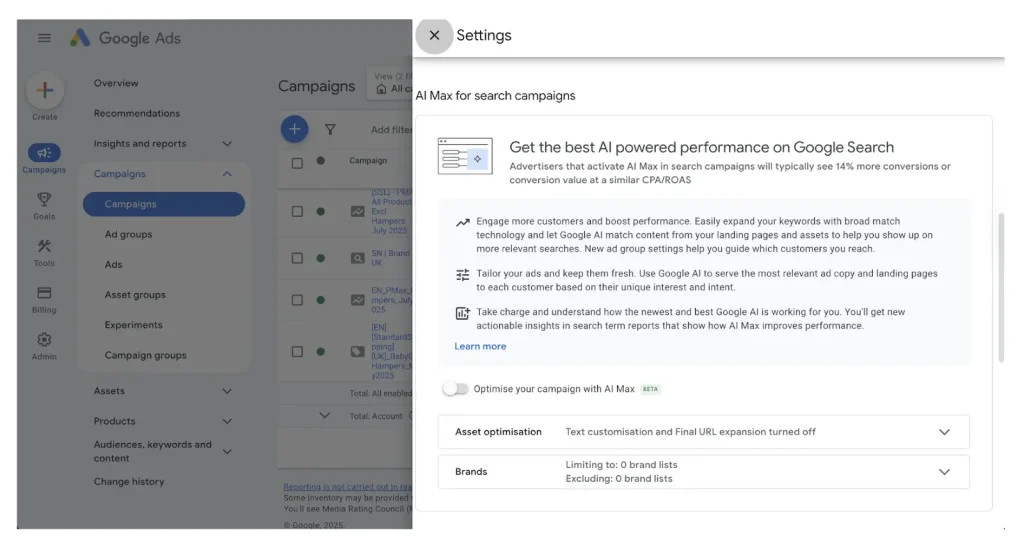
AI Max and Performance Max allow advertisers to scale faster, uncover new intent signals, and serve highly relevant ads across Google’s ecosystem with less manual effort. For businesses, it means focusing less on micromanaging settings and more on supplying strong data, creative assets, and clear goals.
2. First-Party Data Has Become the Primary Competitive Lever
One of the biggest shifts in Google Ads today is the growing importance of first-party data.
First-party data is the information you collect directly from your customers, such as email lists, website behaviour, purchase history, and other interactions. This data has become a powerful asset, especially as third-party cookies and tracking tools face increasing restrictions.
Rebecca Pilkington explains: “Historically, we relied heavily on the Google tag on websites to track user actions. We still use it, but now we’re leveraging Google Analytics 4 (GA4) for conversion tracking, which is a big change.”
First-party data is directly tied to your own audience, making it more accurate and valuable. It enables more precise targeting, better ad personalisation, and stronger measurement of campaign performance, all while respecting user privacy.
This means businesses that invest in collecting and activating their first-party data through CRM integration, website analytics (via GA4), and customer lists are far better positioned to succeed in Google Ads campaigns today.
3. The PPC Manager’s Job Has Shifted from Bidding to Signal Management
“Our role as PPC specialists has completely changed,” says Rebecca Pilkington. “While we still spend a lot of time looking at keywords and audiences, PPC Managers now act more like data analysts. We feed the machine with as much quality data as possible, then monitor and optimise.”
That doesn’t mean the role is less important. In fact, it’s more strategic than ever.
PPC managers today are responsible for:
- Defining campaign goals and feeding the algorithm the right signals.
- Building structured, first-party data pipelines from platforms like GA4 and CRMs.
- Developing creative strategies that resonate across a full-funnel campaign.
- Analysing performance insights to make data-led decisions.
- Identifying opportunities to scale spend efficiently without sacrificing ROAS.
Google Ads Strategy for 2026: How to Succeed in an AI-First Platform
As Sinead O’Brien puts it, “Much of what worked in Google Ads last year still holds true today. The fundamentals haven’t been thrown out, they’ve just been upgraded.”
But if you want your campaigns to perform at their best, you’ll need to make a few important tweaks.
Strategy 1: Feed the Machine — High-Quality Conversion Data Is Your Primary Lever
If you want Google’s AI to deliver results, you need to feed it first-party data.
First-party data tells Google who your customers are and what actions matter most. It includes uploading high-quality customer lists, setting up accurate GA4 conversion goals, and ensuring every campaign has enough data signals to guide optimisation. This is especially important in competitive, high-cost sectors like legal, finance, and B2B, where every click counts and margins matter.
We put this into practice for our client, DSLD Mortgage. Their original PMax campaign was underperforming, so we rebuilt their strategy around first-party data. We launched targeted Search campaigns supported by custom PPC landing pages, conversion-focused copy, and clearly defined USPs. By pairing this with Conversion Rate Optimisation (CRO) best practices, we increased their click-through rate (CTR) from 1.4% to 7%, while cutting their cost per acquisition (CPA) from $100 to under $30.
By giving Google the right data, we gave its AI the power to work smarter, and it paid off. This strategy freed up budget to scale their Meta Ads, amplifying their multi-channel growth.
Test AI-Generated Ad Copy and Creatives
AI-generated assets are a key part of Google Ads. However, as with anything in PPC, success comes down to testing.
“Make sure you’re testing the AI functionalities and tools that continue to evolve within the platform, even if it’s with a small budget,” advises Sinead O’Brien. “It helps you stay on top of what’s working and what’s not.”
Google’s AI can now generate headlines, descriptions, and visuals based on your landing page content and keywords. These automatically created assets are dynamic, scalable, and tailored to match search intent in real time. In one client campaign, we found that AI-generated ad copy actually outperformed handcrafted ads.
But this doesn’t mean AI will outperform your team’s best creative. Continuously test AI-generated assets against human-written copy, monitor results closely, and scale what works.
Strategy 3: Build Full-Funnel Campaigns (Not Just Bottom-of-Funnel Search)
“Most businesses tend to focus their Google Ads campaigns on bottom-of-funnel activity, targeting people who are ready to convert right now,” says Rebecca Pilkington. “A full-funnel strategy within Google Ads is something we still don’t see very often, and it’s a huge missed opportunity.”
Google Ads isn’t just Search. With tools like YouTube, Display, Discovery, and PMax, you can guide potential customers through every stage of their buying journey, from awareness all the way to conversion and retention.
By building campaigns that support each stage of the funnel, you avoid relying solely on high-cost, high-intent clicks. This approach creates a more scalable, sustainable PPC strategy that mirrors how real people make decisions.
Strategy 4: Broad Match + Smart Bidding + Tight Messaging = the 2026 Formula
In the past, we manually narrowed our campaigns using strict match types, detailed demographics, and tightly defined audience segments. But today, over-controlling targeting can limit your reach and reduce performance. Google’s AI needs room to test, learn, and optimise across a wider data pool.
“Being broad works,” explains Sinead O’Brien. “But then you want to be targeted in the right way.”
Going broad with your targeting only works if your messaging is specific. If Google’s AI is doing the heavy lifting to bring in new users, your job is to ensure your ads and landing pages speak directly to their intent. That means crafting ad copy around specific pain points and building landing pages designed for clearly defined customer segments.
- Let Google explore with broad targeting.
- Stay in control with targeted, relevant messaging.
- Match landing page content to specific customer needs or stages of the funnel.
Strategy 5: Invest Time in Creative Assets, Not Bid Adjustments
Getting people to click your ad, sign up, or make a purchase is more challenging than ever. The digital ad space is crowded, and many businesses are defaulting to the easiest, fastest solutions, hoping automation and AI will do the heavy lifting.
But as Sinead O’Brien points out: “It can be tempting just to do the quickest things. But because so many companies are doing that, it’s harder to get results. The things that take time are the things that actually separate you because most people won’t do them.”
AI tools like ChatGPT have made it easier than ever to generate ideas, write ad copy, or set up basic campaigns. The barrier to entry has dropped, but so has the uniqueness of most campaigns. When everyone’s taking shortcuts, your advantage lies in doing the things they won’t.
That means:
- Spending time on real audience research.
- Building tailored, high-converting landing pages.
- Creating original, thoughtful ad creative.
- Running meaningful tests instead of defaulting to AI-generated copy.
- Developing full-funnel strategies, not just running isolated campaigns
The extra effort you put into strategy, targeting, and creative now is exactly what will set your results apart.
Strategy 6: Use Performance Max Strategically — Not as a Black Box
Performance Max is now the dominant campaign type for many advertisers, but treating it as a “set and forget” black box is the most common mistake we see. PMax performs best when you actively feed it the right signals: high-quality first-party audience lists, clear asset groups organised by product or service line, and negative keyword and placement exclusions where PMax’s automated reach causes overlap with your other campaigns. Treat PMax as a channel you actively manage, not one you switch on and walk away from.
Strategy 7: Plan for Rising CPCs (12% Increase in Competitive Verticals in 2026)
Google’s cross-industry average CPC rose around 12% year-on-year in 2026, the steepest annual increase since 2021, driven by intensifying competition for AI-optimised placements and reduced organic click supply from AI Overviews. Legal, home services, and other high-value verticals have seen the sharpest rises. Setting realistic budget expectations, and building the efficiency gains from Strategies 1-6 into your plan, is now a core part of any Google Ads strategy rather than an afterthought.
Do Google Ads Still Work in 2026? (The Honest Answer)
Google Ads are still a worthwhile investment if you understand how Google Ads work today and run your campaigns with the right strategy, data, budget, and expectations.
“Google Ads is a much quicker way to get in front of your audience,” says Rebecca Pilkington. “Just don’t expect instant results as campaigns need time to learn and optimise.”
But once they’re dialled in, you can see huge returns in both leads and sales. While it shouldn’t be your only channel, it’s still a cornerstone of any smart, scalable digital marketing strategy.
Yes, Google Ads still deliver strong ROI, but with CPCs increasing approximately 12% in competitive verticals in 2026, the efficiency gap between well-managed and poorly-managed accounts is wider than ever.
If you’re unsure whether your current Google Ads strategy is truly working, request a website and marketing review and get tailored advice on how to maximise your PPC campaigns.
Google Ads Strategy FAQs
Is Google Ads still worth it?
“Because of recent changes and advancements in technology, campaigns now require a longer learning phase than before. However, once the messaging and optimisations are spot on and the campaign is fuelled with data, you’ll see a massive uplift in sales or leads. So yes, definitely run Google Ads,” says Rebecca Pilkington.
Should I still run search campaigns on Google Ads?
Search Ads are still effective, especially for high-intent users. But don’t stop there. Full-funnel strategies that include a mix of campaigns can perform better in the long term.
What’s the biggest Google Ads mistake I can make?
“One mistake we see often is a lack of testing. Whether it’s new AI features, copy variations, or landing pages, failing to experiment means you miss what could be your biggest performance driver,” explains Rebecca Pilkington.